

Strategic Planning Facilitator
“Sessions that are far greater than the sum of their parts”
Our team specializes in strategic planning facilitation, helping organizations craft clear, actionable roadmaps for future growth and success. Through structured and engaging sessions, we guide participants in defining their long-term goals, assessing current resources, and developing strategies that align with their vision and objectives.
With a proven track record of facilitating over 110,000 individuals worldwide, our award-winning facilitators combine expert techniques with adaptable approaches, ensuring each session is tailored to meet your organization’s unique needs. We are committed to helping you build a strategic plan that drives meaningful, sustainable progress.
Discover how Positive Impact curates sessions that
allow you and your business to thrive.






What We Facilitate
Great content is only made better by great facilitators
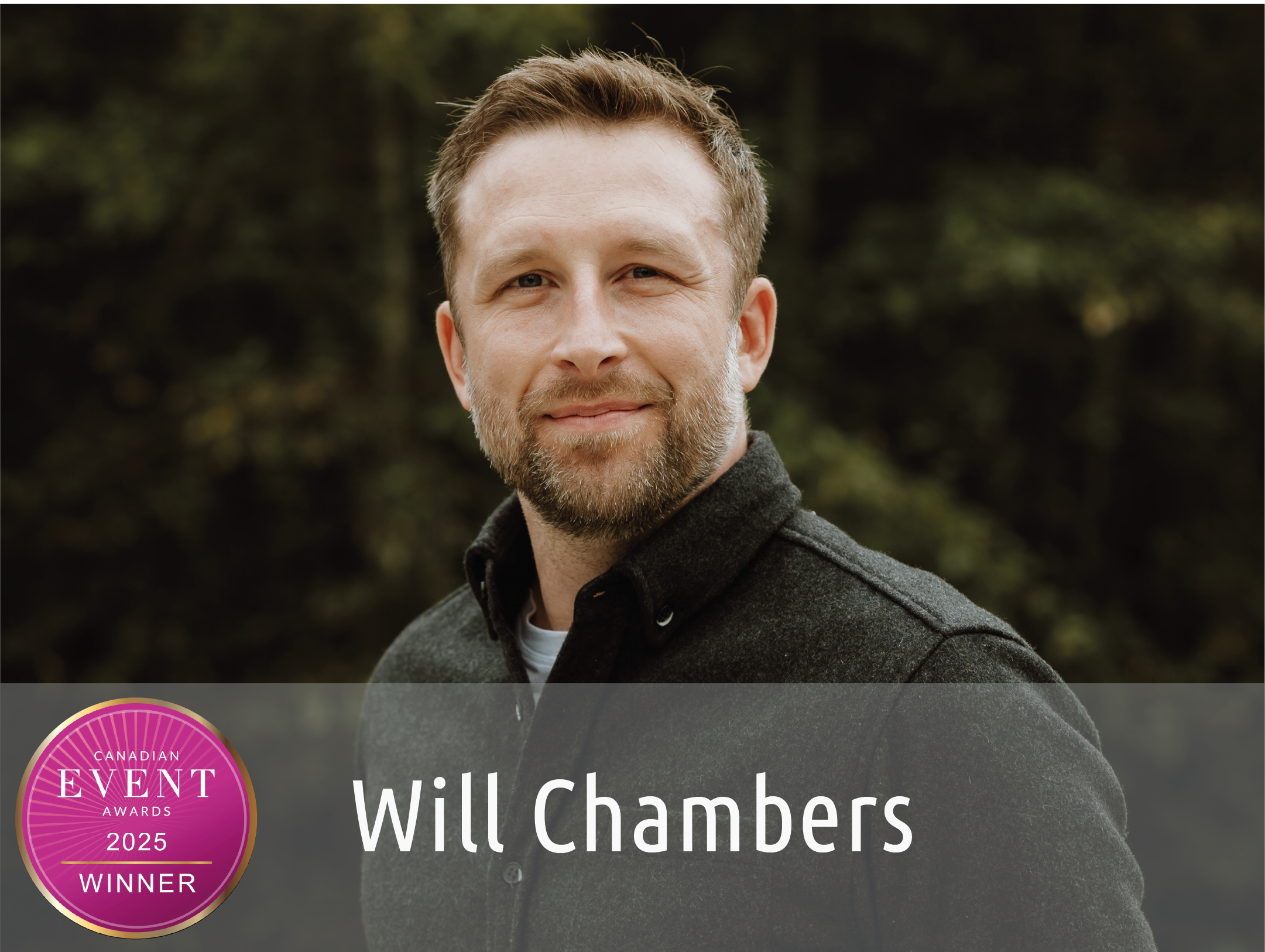
As an Award-Winning Facilitator and the Owner and Founder of Positive Impact, Will empowers people around the world to lead their best life by blending the art of coaching, integrating mindfulness principles with skills learned from over a decade’s experience with one of the top-three best-known brands globally. The result is a meaningful vision and a gratifying journey. Read more about Will’s journey from Coca-Cola to Positive Impact below.
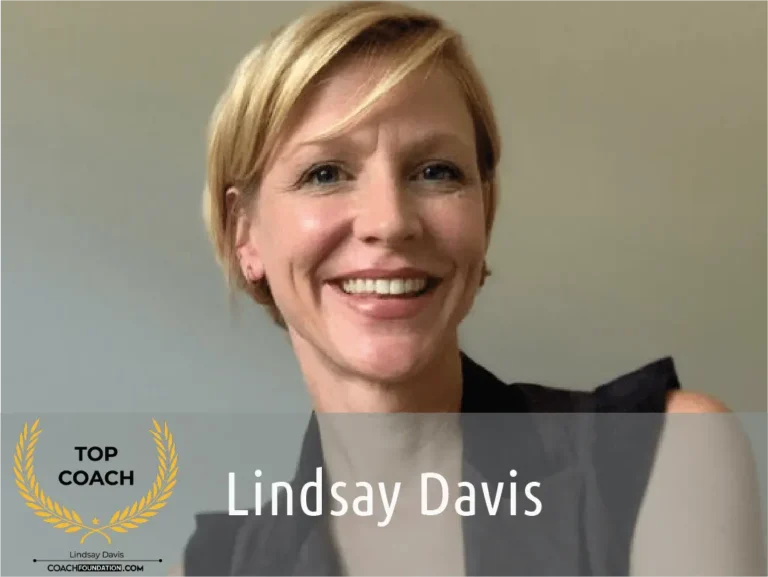
Lindsay was recently awarded the Top Entrepreneur Coach by the Coach Foundation. She is a passionate entrepreneur, guide, and coach. She brings her experience as a director and divisional head, along with an international coaching certification to help entrepreneurs and business leaders achieve the strategic growth, scale and success they strive for. The focus is on building a highly strategic plan, finance model and leadership team to support this growth.
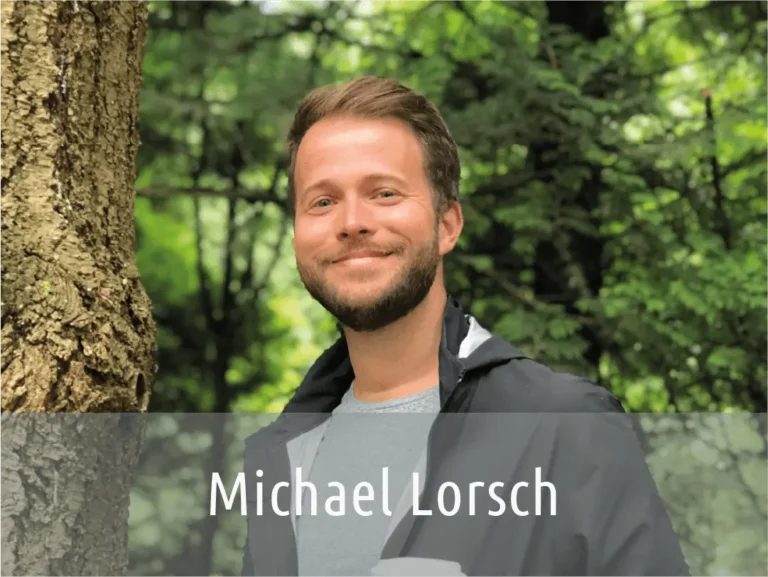
Bringing over a decade of leadership and development experience ranging from improv stages to executive offices, Michael has worked with over 50,000 people across North America in supporting their own personal and professional development.
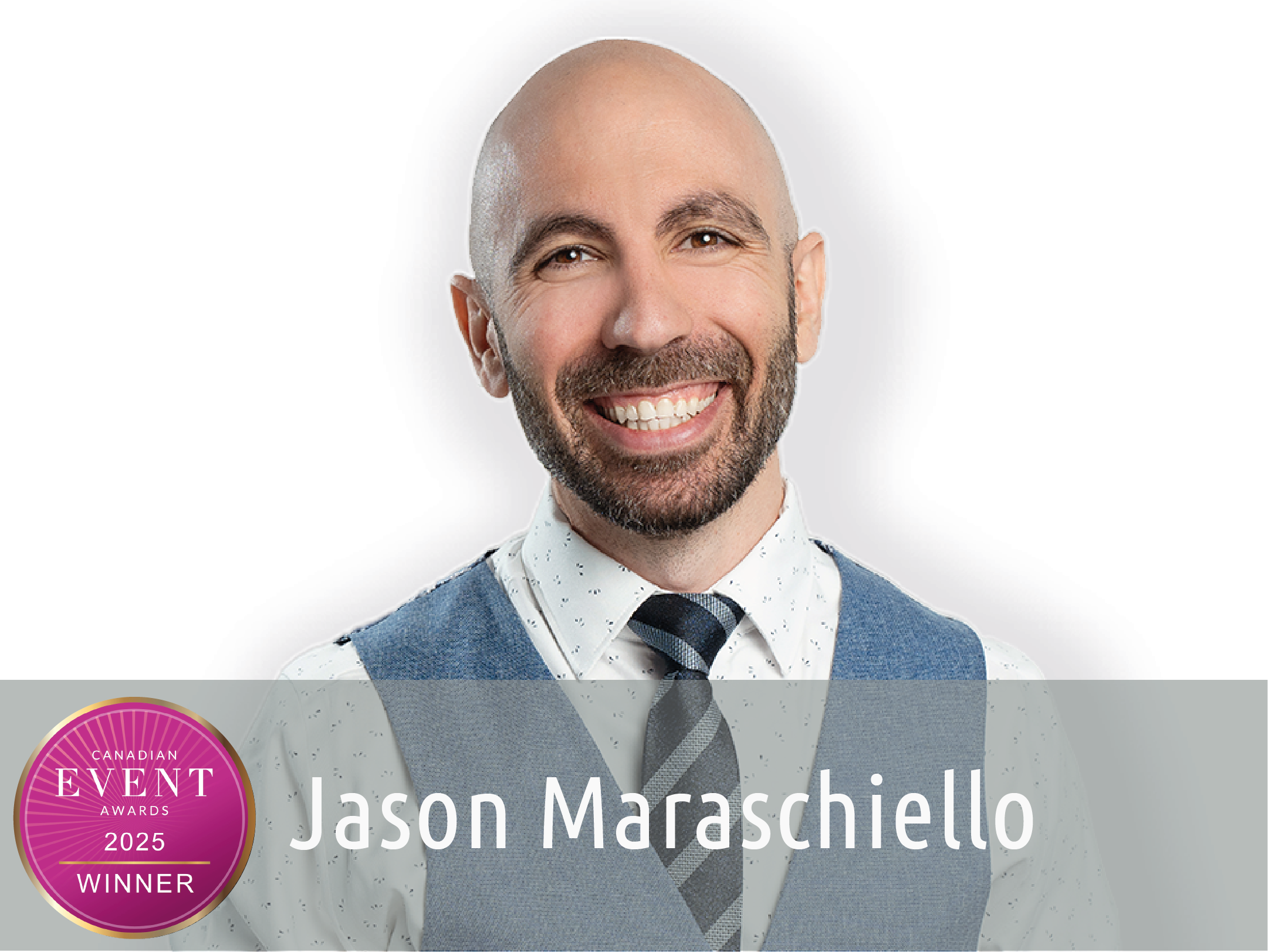
Jason is a TEDx speaker, author, certified Life and Corporate Coach, counsellor, and hypnotherapist. With training in Suicide Intervention (ASIST), NLP, MBSR, MBCT, psychology, and peer support, Jason tailors his approach to meet each client’s unique needs. Driven by a passion for building more cohesive teams, he focuses on emotional intelligence, effective communication, and self-restoration—the triad of success.

It was a pleasure to work with Will and Positive Impact. I was both inspired and empowered to co-deliver a meaningful offsite. Their positive incite into leadership performance and emotional resilience gave me clear direction and tactical tools I could apply to my workplace right away. I thoroughly look forward to working with Will again.
– Haley Daniels
Olympian and Motivational Speaker
Thanks for your incredible support, kindness, professionalism, and realness.
It was my sincere pleasure and privilege to work with you on our event.
You are a unique and special human, and I’m grateful that our paths crossed on this project, and look forward to the next time.
– Shauna Grinke, MBA, CPHR
Vice President – People and CultureThe workshop was an incredibly valuable experience for our team — the facilitator created an open, engaging environment that encouraged honest discussion and collaboration. The content was thoughtfully tailored to our team’s specific goals, making the session both relevant and actionable. We’re excited to continue partnering with Positive Impact to build on the great momentum sparked in this session.
– Shannon Charbonneau
Account Director
Treetop Marketing and Promotion Inc.
I’m leaving our session with a sense of optimism that I haven’t had in a while. It was time extremely well spent! I am sure that we all feel much closer and more connected.
– Participant
MDA Geointelligence Engineering Leadership SummitThe environment that was created made me feel comfortable to participate and collaborate with my colleagues. It was very well organized. I liked the outcome of the brainstorm sessions and warmup activities.
– ParticipantThe level of engagement and pace of the training was excellent. Like the fact that this workshop was trainer-guided, but participants lead!
– ParticipantFantastic facilitating most importantly Will understood when to let us talk and when to corral us back on track. Excellent value this afternoon.
– Engagement Workshop Participant



Featured Workshop

COMS Communication Styles
COMS Communication Styles draws inspiration from Paul Costa and Robert McCrae’s research on the Big Five Personality Model, introducing how different personality styles prefer to communicate along the spectrums of result-driven vs. interpersonal and reflective vs. assertive.
COMS is an interactive communication styles exploration. Through answering 8 strategically designed questions, you and your team will gain valuable insights into how individuals tend to communicate and interact. By visualising this into a simple but effective grid and delivering an interactive workshop, it can be instrumental in improving team dynamics, reducing conflict, and fostering more effective communication across the organization. Each of the four identified style has its strengths in different contexts. Your team will leave the session knowing with a deeper understanding and appreciation for diverse communication styles as well as how to leverage each approach and adapt their style to maximize impact and drive positive outcomes.
Strategic Planning
This isn’t just another corporate exercise – it’s a chance for you to engage your team in the planning and execution of the organization and an opportunity to align on strategic planning initiatives and actions.
As strategic planning facilitators, we guide organizations through the strategic planning process. We don’t dictate solutions to you, we enable your groups to co-create strategies based knowledge, experience and diversity. We create an environment conducive to open dialogue, innovation, critical thinking, and collaborative decision-making. This role is distinct in that it focuses on empowering your organization rather than imposing external ideas. Our award-winning facilitators are catalysts for transformative decision-making and planning. We do, however, offer guidance and insight into how other organizations operate and offer suggestions you may wish to implement. To us, strategic planning is more than just a single planning session. We work with our clients to help them navigate the strategic plan throughout the months and even years ahead. With our objective lens, we are well-positioned to offer insights into the strategic plan and execution tactics.





Strategic Planning Facilitator FAQs
What does a strategic planning facilitator do?
A strategic planning facilitator guides leadership teams through focused conversations to clarify vision, assess priorities, and align on direction. They provide structured frameworks that help surface assumptions, test ideas, and build consensus. Their role includes creating space for open input while keeping the process grounded in practical outcomes. This leads to clearer goals, measurable objectives, and actionable timelines.
How do we know if we need a strategic planning facilitator?
If your leadership team is struggling to align, prioritize, or follow through on past plans, a facilitator can help. They bring objectivity to the process and reduce common friction caused by hierarchy or competing agendas. Even high-functioning teams benefit from having someone focus solely on guiding the conversation. When stakes are high or decisions complex, outside facilitation adds value.
Can a facilitator help us build a multi-year plan?
Yes, facilitators support both short-term and long-range planning, depending on your organization’s needs. Multi-year strategies often require phased goals, scenario mapping, and strong internal accountability systems. A facilitator helps create a roadmap that can flex with changing conditions while staying true to your core vision. They also ensure alignment between mission, metrics, and milestones.
What’s the difference between facilitation and consulting?
Facilitators guide your team to generate its own answers, while consultants often provide external advice or analysis. A facilitator’s job is to help unlock internal wisdom and encourage full participation. In contrast, consultants typically diagnose problems and recommend solutions. Both may be useful, but they serve different functions within a planning process.
How long does a strategic planning session take?
Single-session strategy facilitation often lasts a full day, while deeper planning efforts span several sessions over weeks or months. The right format depends on your goals, team size, and decision-making timeline. Facilitators can also offer pre-work, stakeholder interviews, or follow-up tools. Time should be tailored to the scope and importance of the strategy being developed.
Who should attend our strategic planning sessions?
Typically, the leadership team attends, though other key voices—like department heads or board members—are often included. The mix depends on how your organization is structured and who holds decision-making authority. Some sessions involve only executives, while others include broader staff participation. Facilitators help you decide who needs to be involved and when.
What if our team is stuck or divided?
Facilitators specialize in working through tension, misalignment, or stalled decision-making. They create conditions for honest discussion and help find common ground through structured dialogue. When emotions are high or perspectives diverge, a neutral party helps keep the group moving. This can be especially helpful during moments of transition or growth.
Can a facilitator work with nonprofit or public sector organizations?
Yes, strategic planning facilitation is widely used in nonprofits, public institutions, and mission-driven groups. These sectors often require consensus building, stakeholder inclusion, and alignment with external mandates. A facilitator understands the different dynamics at play and can tailor the process accordingly. The approach is just as effective across varying types of organizations.
How do facilitators handle follow-through after a session?
Many facilitators offer post-session tools like action trackers, accountability check-ins, or milestone reviews. Some also assist with documenting decisions and translating outcomes into communication materials. The goal is to keep momentum going after the planning room. Sustained follow-through makes strategic plans more effective and easier to execute.
What are the outcomes of a good strategic planning process?
You can expect improved clarity, stronger alignment, and a plan that reflects both aspiration and realism. Teams often report increased motivation, clearer roles, and shared accountability. A strong plan helps focus resources, guide decisions, and respond to change. Facilitators ensure those outcomes are grounded in the team’s actual input and priorities.


