A shared language your team keeps using long after the workshop ends.
Trusted by teams across the public, private and non-profit sectors




What is COMS?
Every team communicates.
Not every team communicates well.
COMS is our proprietary communication styles assessment. In eight strategically designed questions, it reveals how each person naturally communicates, how their style shifts under pressure, and how to communicate optimally.
Teams leave with a shared language, fewer misunderstandings and practical ways to work better together, from the very next conversation.
The four styles
Four styles, one shared language
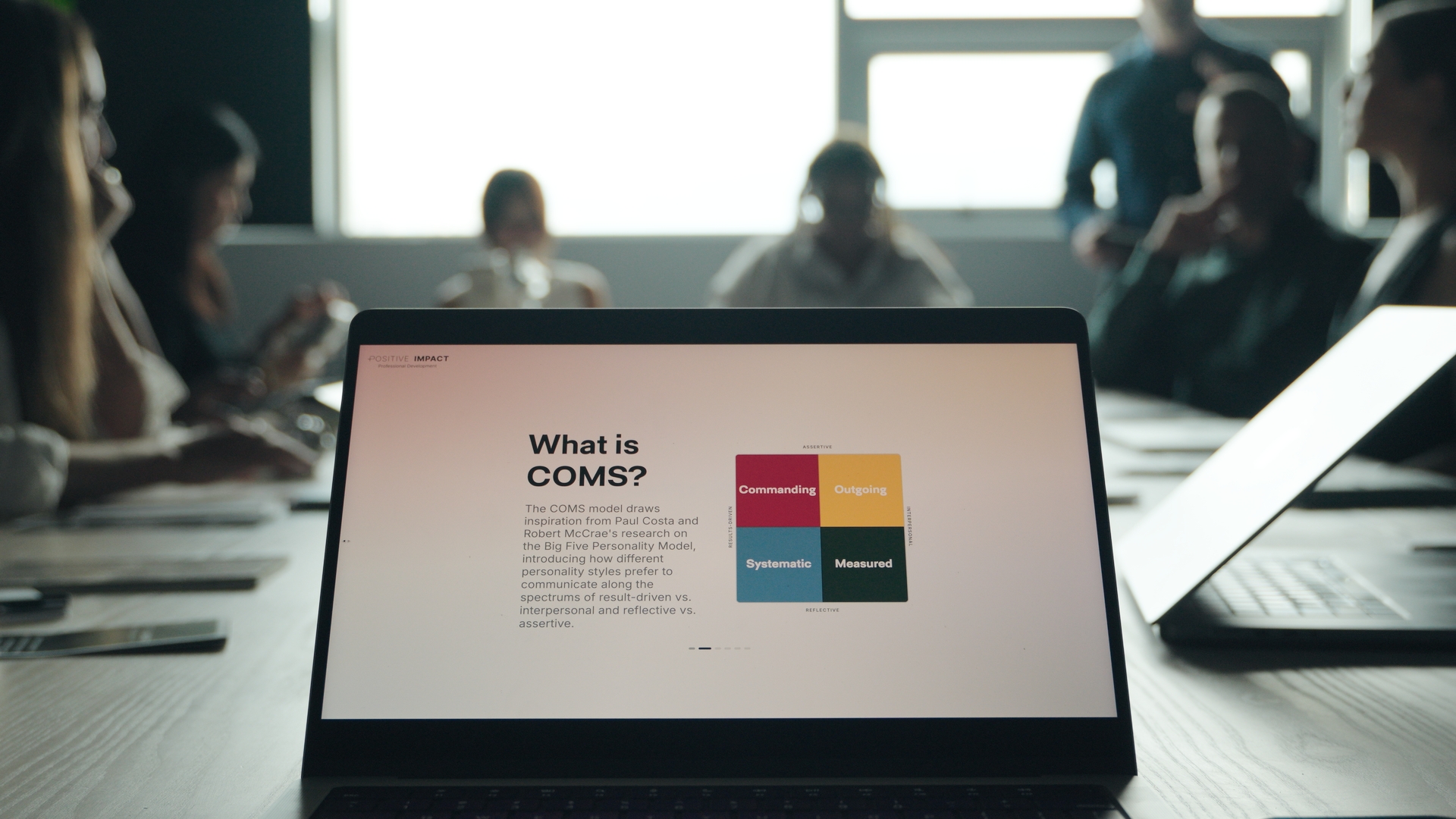
COMS maps two things: whether you lean results-driven or interpersonal, and whether you tend to be assertive or reflective. Where they meet is your style.
ASSERTIVE
RESULTS-DRIVEN
INTERPERSONAL
REFLECTIVE
Every style brings real strengths. COMS helps your team recognize, respect and use them all.
In the workshop
Live results, one shared conversation
COMS runs on a live, interactive portal. Everyone answers eight questions on their own phone, and the team’s styles build on the big screen in real time, showing how each person, team and department is wired. Your facilitator turns that shared picture into a guided conversation around your real situations, so insight becomes action before the session ends.
Built for teams of 5 to 500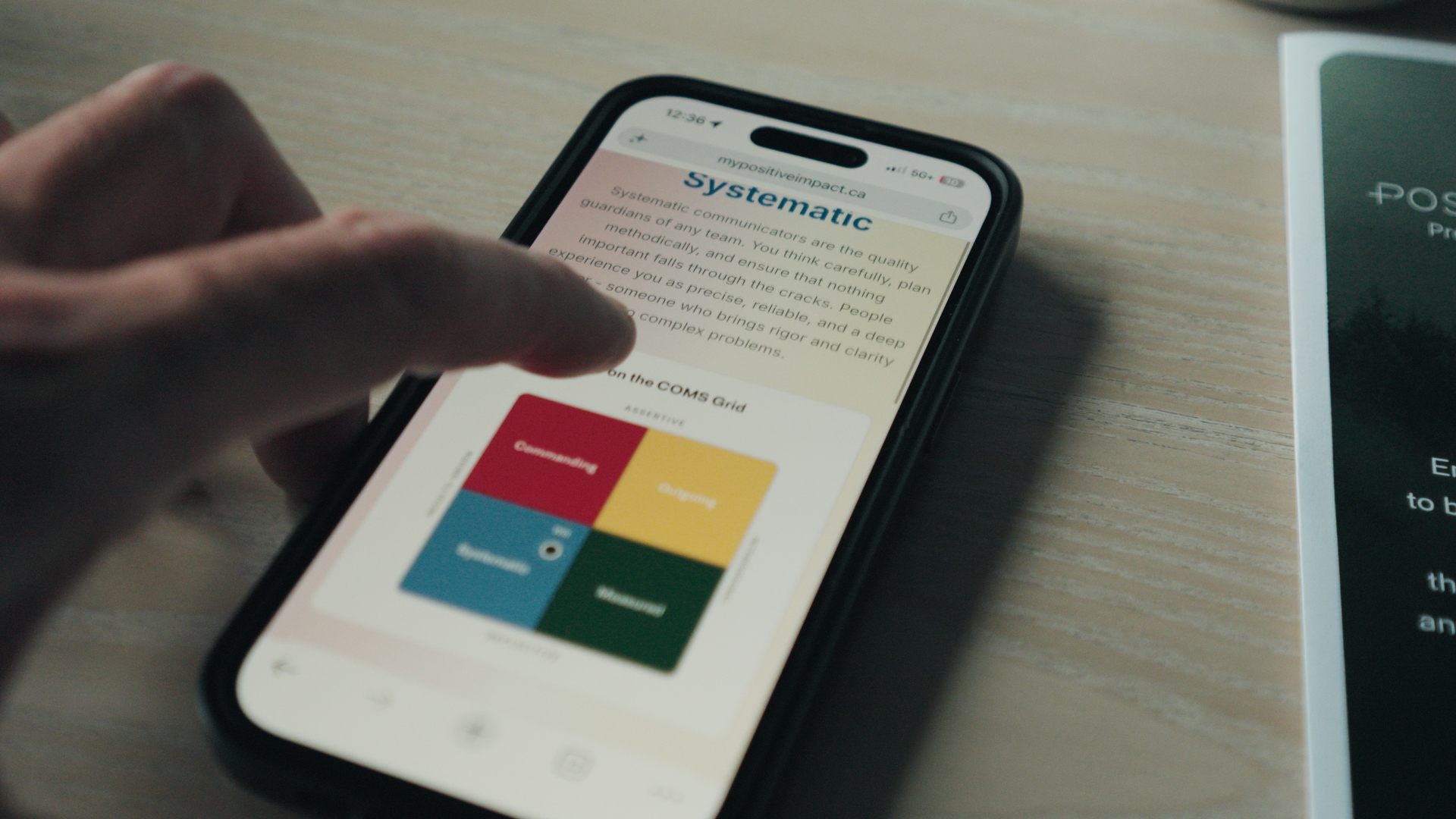 1
Answer on your phone
Each person completes eight questions on their own device, in just a few minutes.
 2
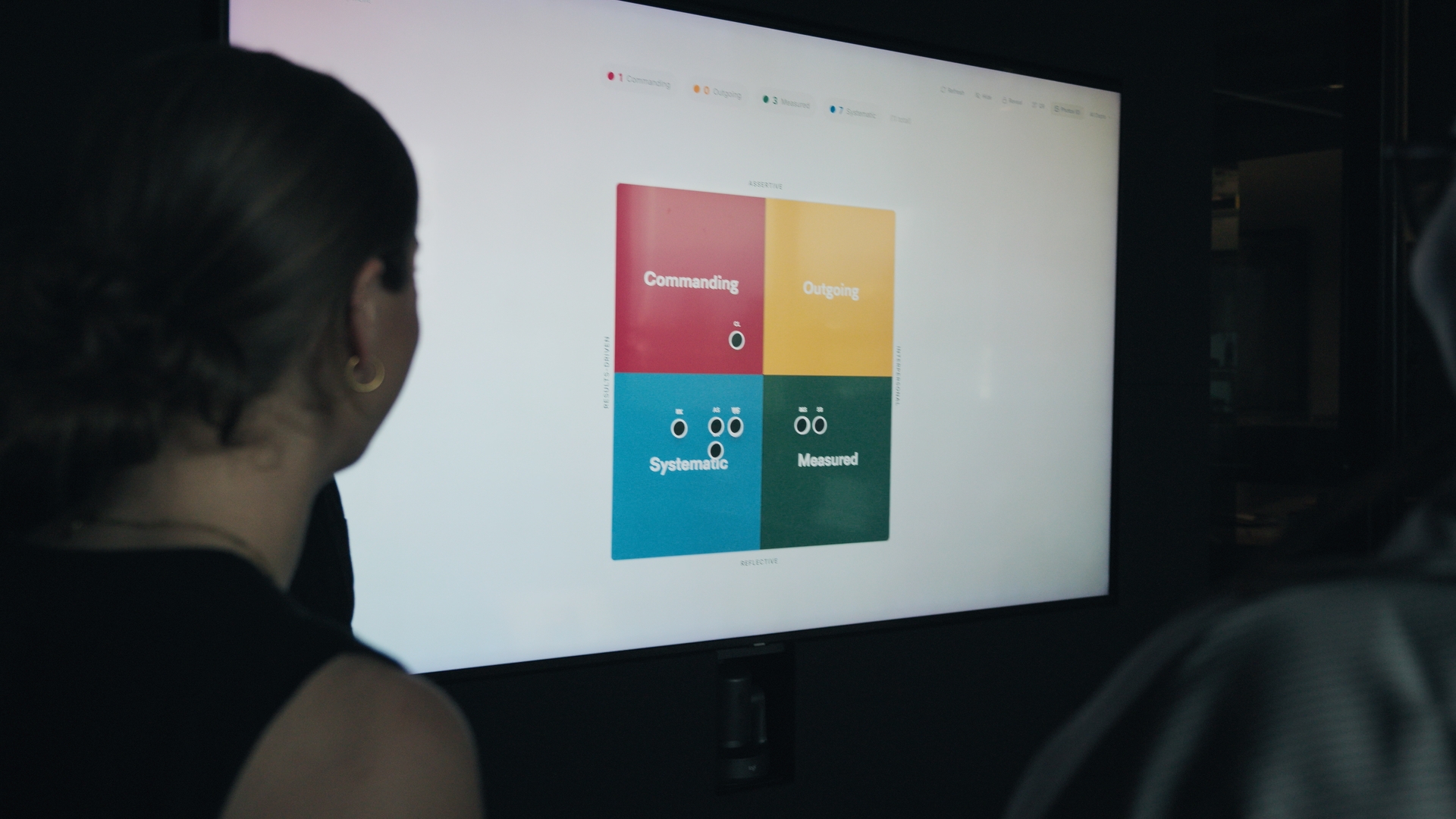
Watch it build live
The team’s styles appear on the big screen in real time, revealing patterns across people and departments.
 3
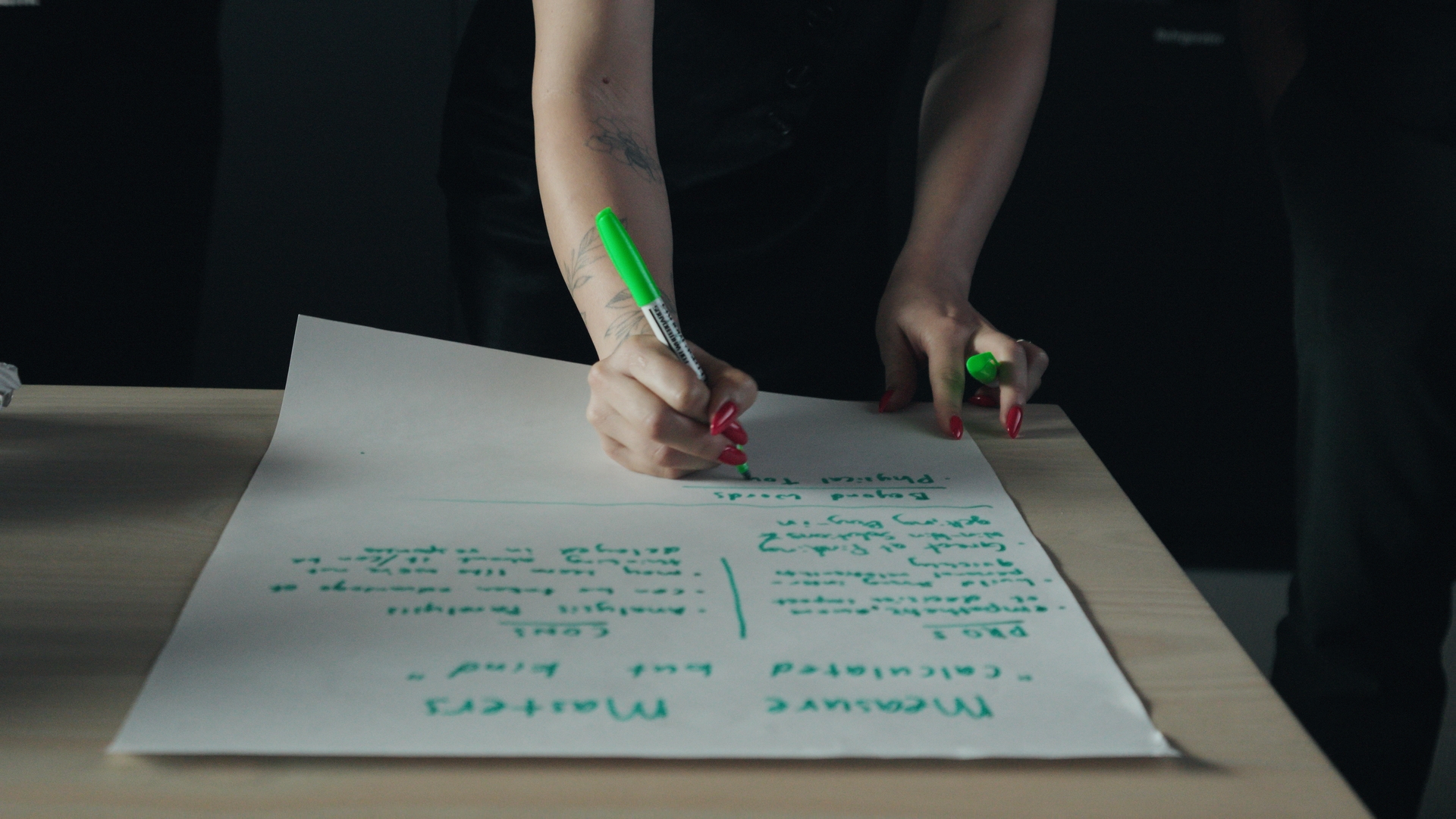
Explore it together
We turn the live picture into a guided conversation around your real, customized scenarios.
The payoff
What your team walks away with
A shared language
One simple framework the whole team can use, long after the session ends, and the piece most teams are still pointing at a year later.
Fewer misunderstandings
People read each other more accurately and stop misreading intent.
Stronger collaboration
Styles that used to clash start working with each other, not against.
Confidence under pressure
Everyone learns to flex their approach when the stakes are high.
The research behind COMS
Backed by research, built for real conversations
COMS draws on the Big Five, one of the most validated frameworks in modern psychology, refined into its modern form by researchers including Paul Costa and Robert McCrae. We have distilled decades of that science into a simple, practical tool your team can use the moment the session ends, one that holds up in real meetings, real decisions and real working relationships. If the science behind why this works interests you, our piece on the neuroscience behind effective facilitation goes further into it.
Our Team
Great content is only made better by great facilitators
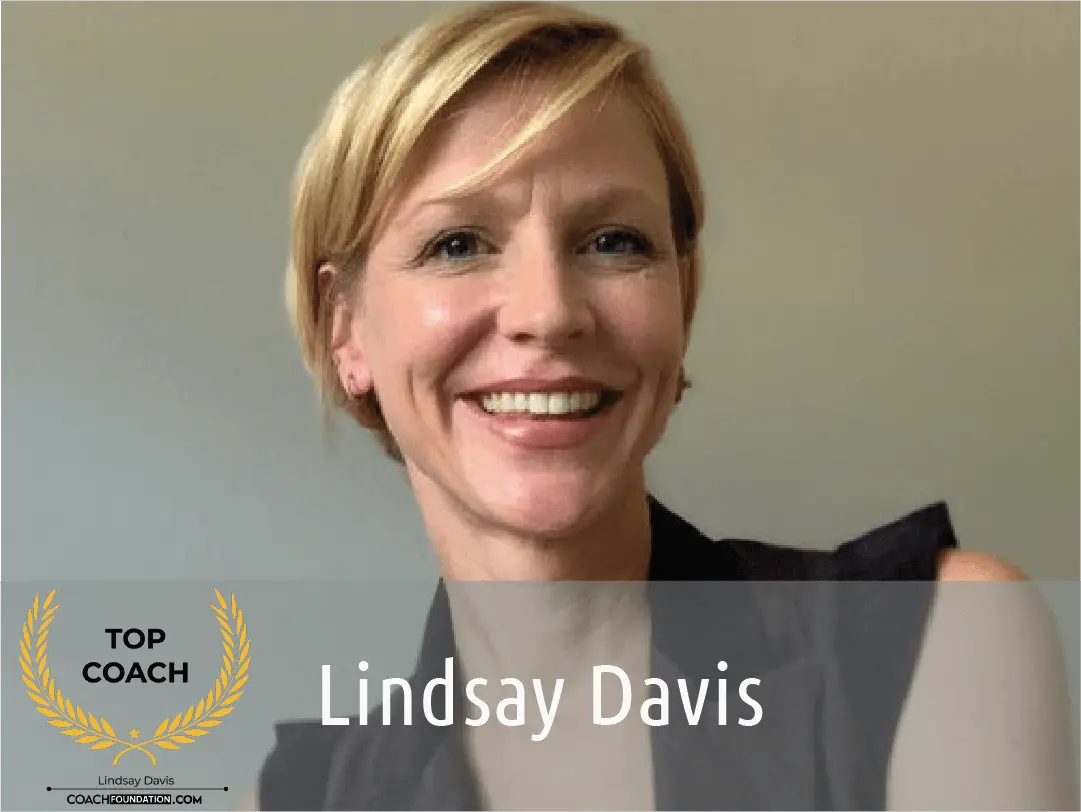
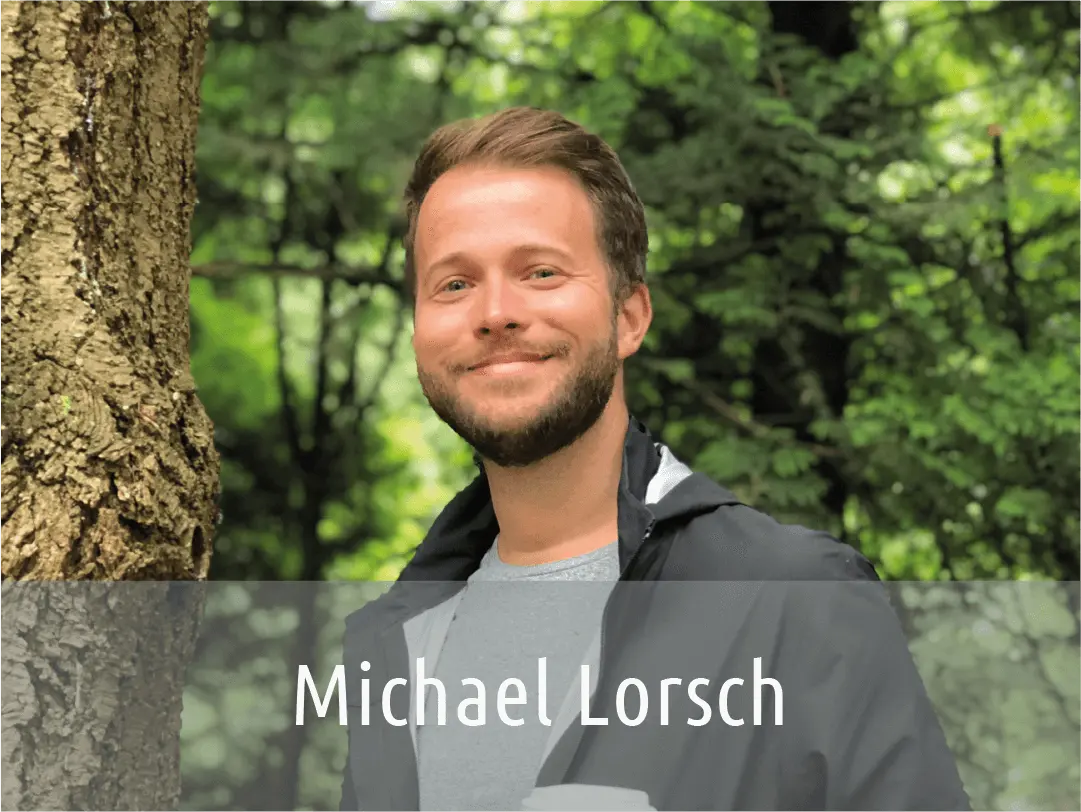
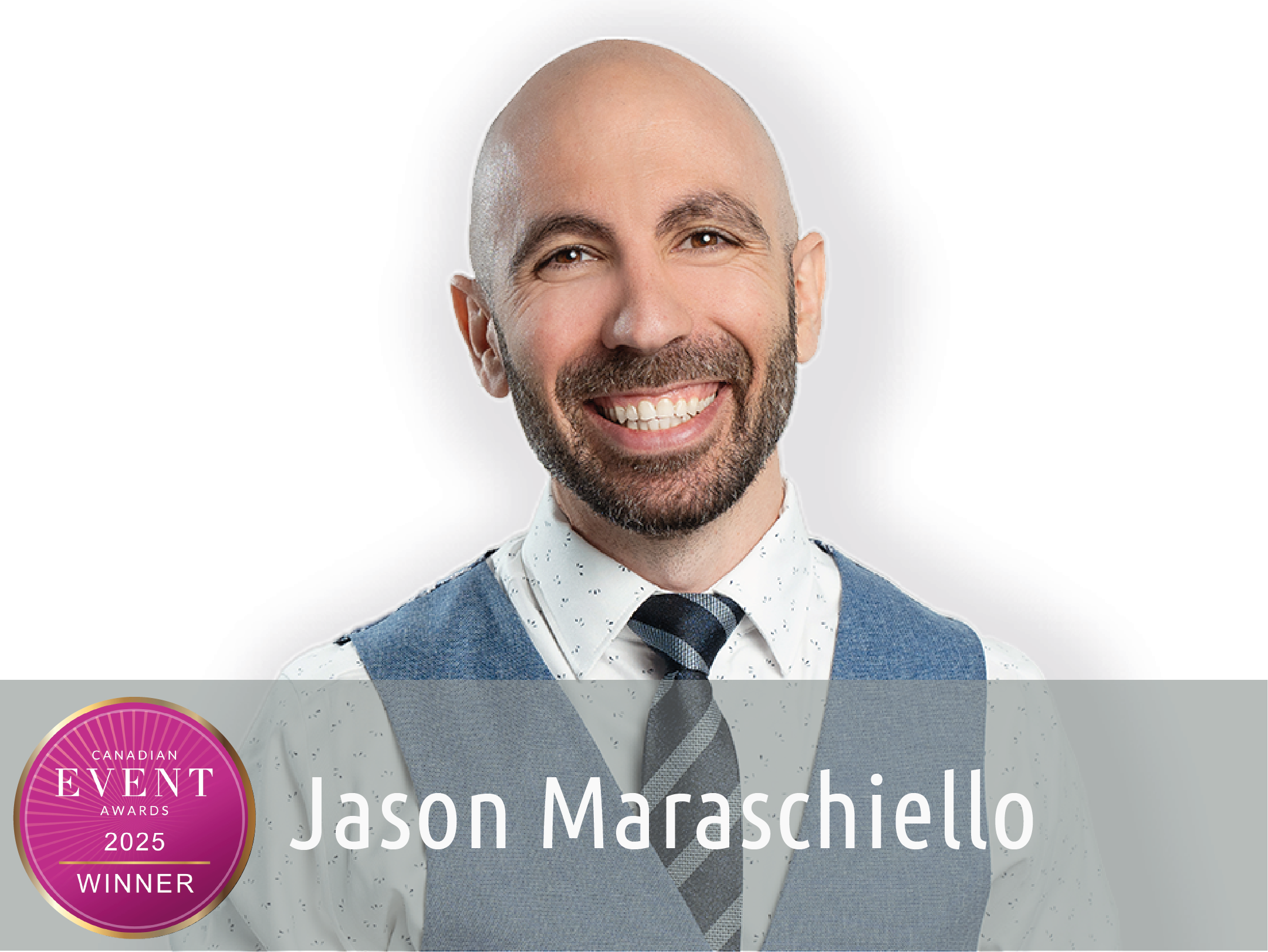
Beyond the core team, we draw on a wider network of facilitators and subject-matter experts, matched to the goals, sector, and people of each engagement.

What our clients say
It was a pleasure to work with Will and Positive Impact. I was both inspired and empowered to co-deliver a meaningful offsite. Their positive incite into leadership performance and emotional resilience gave me clear direction and tactical tools I could apply to my workplace right away. I thoroughly look forward to working with Will again.
– Haley Daniels
Olympian and Motivational Speaker
Thanks for your incredible support, kindness, professionalism, and realness.
It was my sincere pleasure and privilege to work with you on our event.
You are a unique and special human, and I’m grateful that our paths crossed on this project, and look forward to the next time.
– Shauna Grinke, MBA, CPHR
Vice President – People and CultureThe workshop was an incredibly valuable experience for our team — the facilitator created an open, engaging environment that encouraged honest discussion and collaboration. The content was thoughtfully tailored to our team’s specific goals, making the session both relevant and actionable. We’re excited to continue partnering with Positive Impact to build on the great momentum sparked in this session.
– Shannon Charbonneau
Account Director
Treetop Marketing and Promotion Inc.
I’m leaving our session with a sense of optimism that I haven’t had in a while. It was time extremely well spent! I am sure that we all feel much closer and more connected.
– Participant
MDA Geointelligence Engineering Leadership SummitThe environment that was created made me feel comfortable to participate and collaborate with my colleagues. It was very well organized. I liked the outcome of the brainstorm sessions and warmup activities.
– ParticipantThe level of engagement and pace of the training was excellent. Like the fact that this workshop was trainer-guided, but participants lead!
– ParticipantFantastic facilitating most importantly Will understood when to let us talk and when to corral us back on track. Excellent value this afternoon.
– Engagement Workshop Participant



100% Satisfaction Guarantee.
We stand behind the quality of our work with complete confidence. If you’re not fully satisfied with the results, we’ll make it right.
Your trust matters more to us, and our guarantee acknowledges our belief that you deserve to feel confident in every investment you make with us. That’s a standard we hold ourselves to, every time.
Bring COMS to your team
Tell us a little about your team and what you’re working through. We’ll shape a session that gives everyone a shared language and puts it to use right away.
Start the Conversation →Common questions
COMS Communication Styles FAQs
What is COMS Communication Styles?
COMS is a communication framework that reveals how people naturally connect and share information. Through eight simple questions, your team sees where each person fits on the COMS grid. This visual makes it easier to understand style preferences and how they affect collaboration. Our facilitators guide you through the process, turning insight into practical skills you can use every day.
How is COMS different from DISC?
They do different jobs, and we facilitate both. DISC is a broader behavioural profile covering how someone tends to work generally, and it carries decades of familiarity, which counts for a lot if your organization already uses it. COMS is narrower on purpose. It looks only at communication, in workplace settings, and it runs live in the room, so the team’s pattern builds on screen together rather than arriving afterwards as a stack of individual reports. If the friction on your team is mostly about how people talk to each other, COMS gets there faster. If you want a fuller behavioural picture, DISC is the better tool, and our guide to DISC covers it. We will tell you which we think fits on the first call.
What are the four COMS styles?
Four, and they are what give the framework its name.
Commanding: bold, decisive and focused on results.
Outgoing: warm, expressive and quick to connect.
Measured: steady, thoughtful and grounded in harmony.
Systematic: precise, analytical and driven by accuracy.
No style is better than another, and most people lean on a second one under pressure.
How does the COMS workshop run?
The session starts with each person completing the short assessment. Results are mapped on the grid, creating a shared picture of team dynamics. We then guide participants through exercises that highlight differences and encourage adaptation. Workshops are interactive, so your team can practise new strategies in a safe environment.
Can COMS help address team conflict?
Yes. Many conflicts are the result of clashing styles rather than intention. COMS provides a neutral language that makes those differences easier to discuss. Teams often discover that past tension was based on expectations, not capability. By reframing differences as strengths, participants learn to reduce friction and build trust.
Is COMS only for leaders?
COMS works at every level of an organization. Front-line groups benefit from improved collaboration, while leadership teams gain tools to manage and adapt across styles. We recommend bringing entire teams through the process so everyone shares the same framework. This creates consistency and makes it easier to sustain results.
How long is COMS training?
COMS sessions run anywhere from 90 minutes to a full day, depending on what you want the session to achieve. The assessment itself takes less than 10 minutes to complete, so the rest of the time goes into interpretation, discussion, and practice. A 90-minute session works well as an introduction or as an opener within a larger offsite, giving your team the shared language and the grid. A half-day allows for deeper exploration of how styles interact in your specific team. A full day makes room for extended application work, scenario practice, and building the framework into how your team runs meetings and makes decisions. We will recommend a length based on your goals, your team size, and how much time you realistically have.
Is COMS delivered in person or virtually?
Both, and we also run hybrid sessions where some participants are in the room and others join remotely. In-person delivery works well when you want the energy of a shared space, particularly for the movement-based exercises that help people physically map themselves on the grid. Virtual sessions use collaborative tools to recreate that experience, with digital grids, breakout rooms, and structured activities that keep participation high across screens. Hybrid sessions need more deliberate design so remote participants stay equally involved, and we build that into the plan from the start. Our virtual facilitation page sets out how we design for a screen, including why we ask everyone to join from their own device when any part of the group is remote.
What team sizes does COMS work for?
COMS works for groups of all sizes, from a leadership team of five to a full department or conference of five hundred. Because everyone responds on their own device and the results build live on screen, the experience scales without losing the personal insight. For larger groups, we structure the session so every table still gets time to explore what the results mean for them.
What outcomes can you expect from a COMS session?
A COMS session equips your team with a shared language for style differences and practical tools for daily communication. Participants leave with greater clarity, fewer misunderstandings, and improved collaboration across roles and departments. The framework encourages ongoing dialogue and helps teams navigate challenges with more adaptability. Where a team wants the shared language practised rather than only introduced, COMS often sits inside a longer team development programme.