

Strategic Planning Facilitation
Facilitated strategic planning for leadership teams, boards and departments, with quarterly accountability built in so the plan survives the year.
We create sessions that are greater than the sum of their parts, guided by award-winning facilitators.
- 110,000+people facilitated globally
- Award-winningfacilitators
- 12+1quarterly accountability, all year
We design sessions that leave teams with shared clarity, specific commitments, and the momentum to follow through.
Trusted by teams across the public, private and non-profit sectors






Strategic planning
Planning sessions that are still being used in month nine
Positive Impact facilitates strategic planning for organizations across Canada and into the US. Leadership teams, boards, departments and whole organizations, from a single planning day through to a multi-year roadmap with quarterly accountability built into it.
Unlike a consultant, we don’t arrive with the answer. You know your organization, your sector and your constraints better than anyone walking in for two days possibly could. We bring the process, the frameworks and someone neutral holding the room, so the plan that comes out is built on your team’s own knowledge and carries their names on it. The part most planning processes skip is what happens after the session, and that’s covered further down.
Our approach
Three phases, and the third is the one most processes skip
Every engagement moves through the same three phases. Each one is valuable on its own, and we will tell you honestly if you only need the first two.
Before the session
Phase one: current state analysis
Understanding where you actually are and what is possible from here. Stakeholder interviews, preliminary data, and anonymous input from the people who will not say it across a boardroom table. This is what makes the session agenda yours rather than a template.
The off-site
Phase two: strategic planning
The facilitated session itself, where your team co-creates the roadmap with clarity and alignment. Proven frameworks applied where they earn their place, the trade-offs argued through, and implementation tactics built by the people who have to run them.
The following year
Phase three: ongoing execution
Turning strategy into action with accountability built in. Quarterly sessions through the 12+1 cycle to assess progress, correct course and reinforce commitments as they evolve. This is the phase that decides whether any of the first two mattered.
Most organizations buy phases one and two, then wonder in November why the plan stopped moving in June.
What we facilitate
What teams bring us in to plan
Every engagement starts with a discovery conversation. If what you’re facing isn’t listed here, ask us anyway.
A multi-year strategic plan
Three to five year direction with the priorities, trade-offs and sequencing that make it real. The full process: discovery, a facilitated session, a written plan, then quarterly accountability across the year that follows.
Annual priorities
A shorter engagement setting the year’s direction and the handful of things that actually matter in it. Often the entry point for teams who want to see how we work before committing to a longer arc.
Vision, mission and values
The foundational work, facilitated so the words that come out are your team’s rather than a consultant’s. Articulating what you already believe, rather than justifying it to anyone.
Restarting a stalled plan
Run when a plan exists, everyone agreed to it, and nothing has moved since spring. Usually less about the plan being wrong and more about nothing having forced a return to it.
Planning through a transition
New leadership, an amalgamation, or a funding change that makes last year’s plan academic. The design shifts considerably when the ground is moving underneath the exercise.
Board and departmental plans
Governance-level direction setting with a board, or a functional plan inside a department. Board work has its own shape, covered on our board retreat facilitation page.
Every planning engagement we run is built around the decisions your organization actually has in front of it. Tell us where you are and we’ll design from there.
Start a conversationHow we facilitate
We don’t dictate the strategy, we build the room where yours gets made
There’s no prepared script and no template plan waiting to be filled in. We guide the process, your team brings the expertise, and together we build a plan your people shaped and will therefore actually use.
It starts with stakeholder interviews and preliminary data collection, weeks before anyone sits down. That pre-work is what produces a customized agenda rather than a generic one, and it is the difference between a session that opens with a warm-up and a session that opens with the thing everyone already knows is the real issue.
In the room, your leadership team applies the frameworks, argues through the trade-offs, and co-creates the implementation tactics itself. We build roadmaps specific enough to guide decisions and behaviour across the organization afterwards, not just the priorities themselves.
Where the budget and calendar allow, we recommend holding the session off-site. The distance from daily operations is partly practical and partly psychological: people think more creatively away from the desk they were at an hour ago, and booking somewhere else signals that this is dedicated strategic time rather than a long meeting. Structured input keeps the most senior voice from setting direction in the first twenty minutes, and your leaders get to be participants in their own planning session, which for most of them has not happened in years.
Get in Touch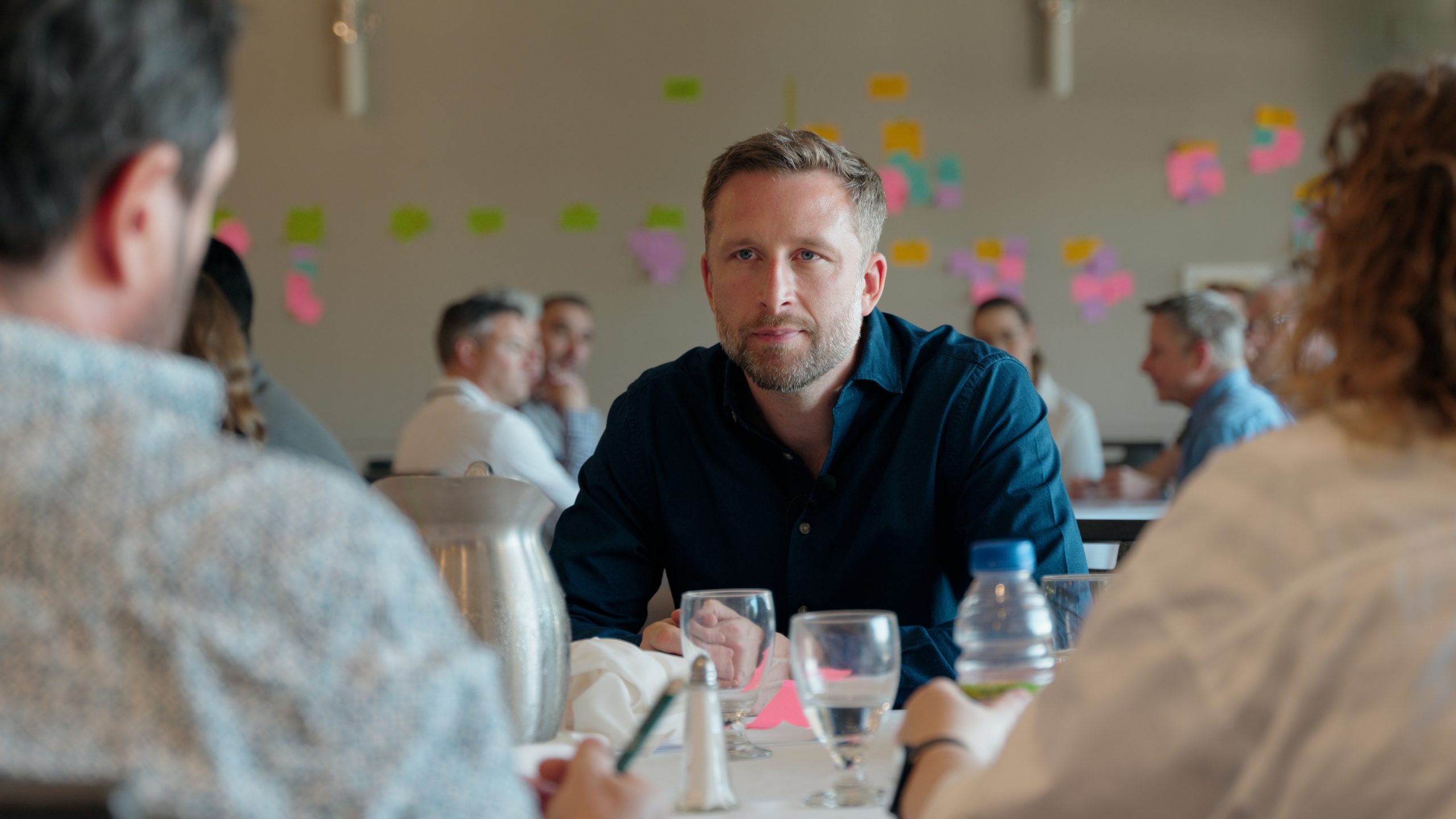
Ways to engage
Three ways organizations engage us
Every engagement is customizable, but most start in one of these shapes.
One to two days
A planning day
One facilitated session with discovery beforehand and a written plan afterwards. The shortest engagement that produces something usable rather than a wall of sticky notes.
Best for: teams with a clear scope and a plan that mostly needs deciding.
Ask about a planning dayA day, then four quarters
Planning plus 12+1
The session, then a quarterly cycle across the following year. This is the version we recommend, for reasons set out further down this page.
Best for: organizations whose last plan quietly stopped being used.
Talk about 12+1Two to three days
A multi-day planning retreat
Planning given room to breathe, usually away from the office and over two or more days. Our corporate retreat page covers the format in detail.
Best for: big direction changes that need the hard conversation resolved, not tabled.
Ask about a retreat
The process
A clear path from first call to the following year
Every engagement follows a similar path, and the last two steps are the ones most planning processes leave out.
-
Discovery
Stakeholder interviews and anonymous input, so the real agenda arrives before the session does.
-
Design
A session built around your decisions, with frameworks chosen to fit rather than to impress.
-
The session
One or two facilitated days where your team does the thinking and we hold the process.
-
The plan
A written plan with priorities, owners and dates, in your team’s language, within days.
-
12+1
A session every thirteen weeks to assess what moved, correct course and reset commitments.
-
Next year
The fourth quarterly session becomes next year’s planning, built on what actually happened.
Why facilitation?
How a team works together shapes everything it creates.
$100 Million
is the yearly cost for big companies for staff being in pointless meetings.
65%
of senior managers say that meetings keep them from completing their own work.
58%
of Americans would rather go to a doctor’s appointment than attend a work meeting.
75%
of decision-makers feel that collaboration needs to be improved in their companies.
Forrester Research, 2021
Outcomes
What your organization leaves with
A short list, not a long one
Priorities the group genuinely chose between, rather than twenty initiatives nobody was willing to rule out in the room.
Real ownership
Because your team built the plan from its own knowledge, they leave invested in it rather than briefed on it.
Owners and dates on everything
Every priority carries a name and a deadline before anyone leaves. An unowned initiative is an aspiration with a budget line.
A plan people can actually read
Written in your organization’s language, short enough that someone joining in June can absorb it, rather than a sixty-page document nobody opens twice.
The disagreement resolved
Trade-offs argued through in the session, while there was still time, rather than resurfacing in October as unexplained slow progress.
A plan still in use in month nine
The quarterly cycle is what makes this one true, and it is the difference between a strategy and a document.
Client stories
Real teams, real outcomes
Every organization plans differently and we won’t pretend one case study maps neatly onto yours. These are the kinds of sessions we run and what groups point to afterward.

What our clients say
It was a pleasure to work with Will and Positive Impact. I was both inspired and empowered to co-deliver a meaningful offsite. Their positive incite into leadership performance and emotional resilience gave me clear direction and tactical tools I could apply to my workplace right away. I thoroughly look forward to working with Will again.
– Haley Daniels
Olympian and Motivational Speaker
Thanks for your incredible support, kindness, professionalism, and realness.
It was my sincere pleasure and privilege to work with you on our event.
You are a unique and special human, and I’m grateful that our paths crossed on this project, and look forward to the next time.
– Shauna Grinke, MBA, CPHR
Vice President – People and CultureThe workshop was an incredibly valuable experience for our team — the facilitator created an open, engaging environment that encouraged honest discussion and collaboration. The content was thoughtfully tailored to our team’s specific goals, making the session both relevant and actionable. We’re excited to continue partnering with Positive Impact to build on the great momentum sparked in this session.
– Shannon Charbonneau
Account Director
Treetop Marketing and Promotion Inc.
I’m leaving our session with a sense of optimism that I haven’t had in a while. It was time extremely well spent! I am sure that we all feel much closer and more connected.
– Participant
MDA Geointelligence Engineering Leadership SummitThe environment that was created made me feel comfortable to participate and collaborate with my colleagues. It was very well organized. I liked the outcome of the brainstorm sessions and warmup activities.
– ParticipantThe level of engagement and pace of the training was excellent. Like the fact that this workshop was trainer-guided, but participants lead!
– ParticipantFantastic facilitating most importantly Will understood when to let us talk and when to corral us back on track. Excellent value this afternoon.
– Engagement Workshop Participant



100% Satisfaction Guarantee.
We stand behind the quality of our work with complete confidence. If you’re not fully satisfied with the results, we’ll make it right.
Your trust matters more to us, and our guarantee acknowledges our belief that you deserve to feel confident in every investment you make with us. That’s a standard we hold ourselves to, every time.
Ready to talk about your plan?
Get in TouchThe full arc
What happens, when, and what you have at the end of each stage
Most planning engagements stop at stage three. The last two are where a plan stops being a document and starts being the thing that decides what your organization says no to.
| Stage | What happens | What you have at the end of it |
|---|---|---|
| Before: discovery | Stakeholder interviews, preliminary data, and anonymous input from people who won’t say it in the room | An honest picture of where the organization actually is, and an agenda built from that rather than from a template |
| The session: opening out | Environmental scan and strategic positioning, using Deloitte’s Stakeholder Mapping, PESTLE and SWOT where each earns its place | The full set of options on the table, including the ones nobody had said out loud yet |
| The session: narrowing | The trade-offs, the sequencing, and role clarity through a RACI matrix so ownership isn’t left ambiguous | A short priority set with names against it, agreed by the people who have to deliver it |
| Week one after | The plan written up, with goals shaped so they can actually be assessed rather than admired | A readable written plan, a decision record, and something you can communicate to the people who weren’t in the room |
| Every thirteen weeks: 12+1 | A session to assess what moved, make the course corrections the quarter argued for, and reset the next twelve weeks | A plan that is still being used in month nine, which is the stage most plans never reach |
| The fourth quarter | Next year’s planning, built from what actually happened rather than from a blank page | A rolling plan rather than an annual event, and a team that has stopped treating planning as a thing that happens in January |
A point worth knowing
Most strategic plans don’t fail at the planning stage. They fail around week seven.
The session goes well. The priorities are right, the trade-offs get argued through, everyone leaves committed and slightly energized. Then the quarter fills up with the work that shouts, nothing in anyone’s calendar forces a return to the plan, and by week seven it has quietly become a document rather than a decision-making tool. Nobody chose that. It’s just what happens when a plan has no mechanism attached to it.
12+1 is our answer, and the name is the shape of it: twelve weeks of execution, then one session. Every thirteen weeks we reconnect with your team to assess what actually moved, make the course corrections the last quarter has been arguing for, and reset commitments for the next twelve. A quarter is short enough that nothing drifts past recovery and long enough that something real has happened to talk about.
The part we’ll be blunt about is why this works better with an outside facilitator than as an internal standing agenda item. An internal quarterly review can be postponed, and it will be, because the person with the authority to postpone it is the person under the most pressure that month. A booked session with someone external is harder to move, and that friction is doing most of the work here. It isn’t a sophisticated mechanism. It’s just one that survives a busy quarter.
The effect is that the plan behaves like a living, breathing document rather than a file someone opens in January and again the following January. By the fourth session you aren’t reviewing a plan any more, you’re building the next year’s from what actually happened.
Featured Workshops
Each of these runs in person, virtually, or as a hybrid, and each is designed around your organization rather than delivered off a shelf.
COMS Communication Styles
COMS is our own communication styles assessment, grounded in research and facilitated by our team. It gives your people a shared way to talk about how they each work, so different styles become an advantage instead of a source of friction.
In a planning context it does specific work. Planning conversations surface disagreement by design, and a leadership team that has language for how each of them handles pressure argues considerably better than one reading each other’s bluntness as hostility.
Eight questions, one simple grid, and a reference the whole team can point at months later.
Learn more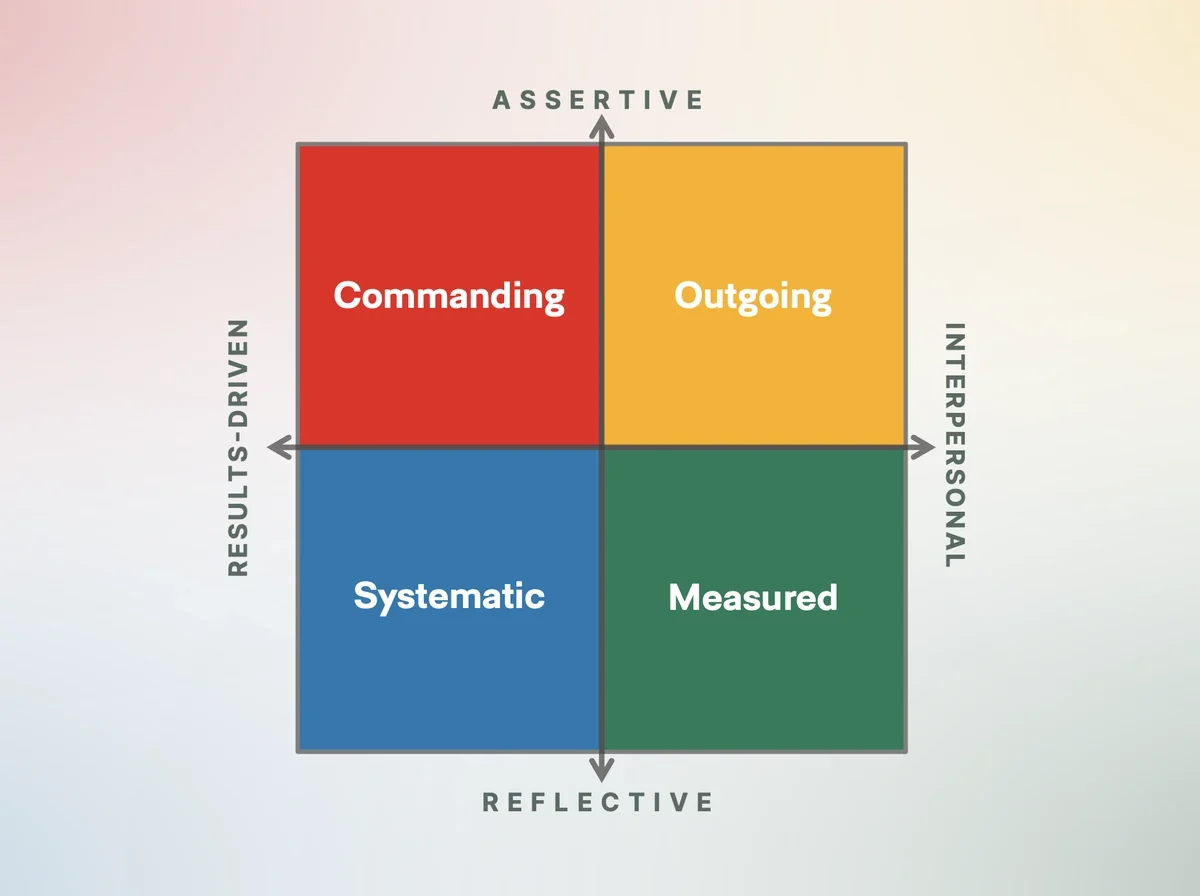
Strategic Planning
The strategic planning process itself: discovery, a facilitated session, a written plan, and the quarterly cycle that keeps it alive.
What distinguishes facilitation from consulting here is where the strategy comes from. We enable your team to co-create it from their own knowledge, experience and range of perspective, rather than handing you an analysis. We will offer insight into how comparable organizations have approached things, and suggestions you may want to take, but the plan is yours.
A strategic plan is a living, breathing document. We stay involved as it plays out over the following months and years.
Learn more
5 Dysfunctions of a Team
This session takes a good leadership team and helps make it excellent. We draw on Patrick Lencioni’s well-known framework, approached through an appreciative inquiry lens that starts with what’s already working.
It pairs naturally with planning work. A team that can’t disagree productively will produce a plan everyone nods at and nobody argues with, which is the failure mode that looks most like success on the day. The five behaviours, trust, conflict, commitment, accountability and results, are all on the table.
Your people walk away with shared language for how they work together, and a plan for moving forward that they built themselves.
Learn more
Our Core Team
Great content is only made better by great facilitators

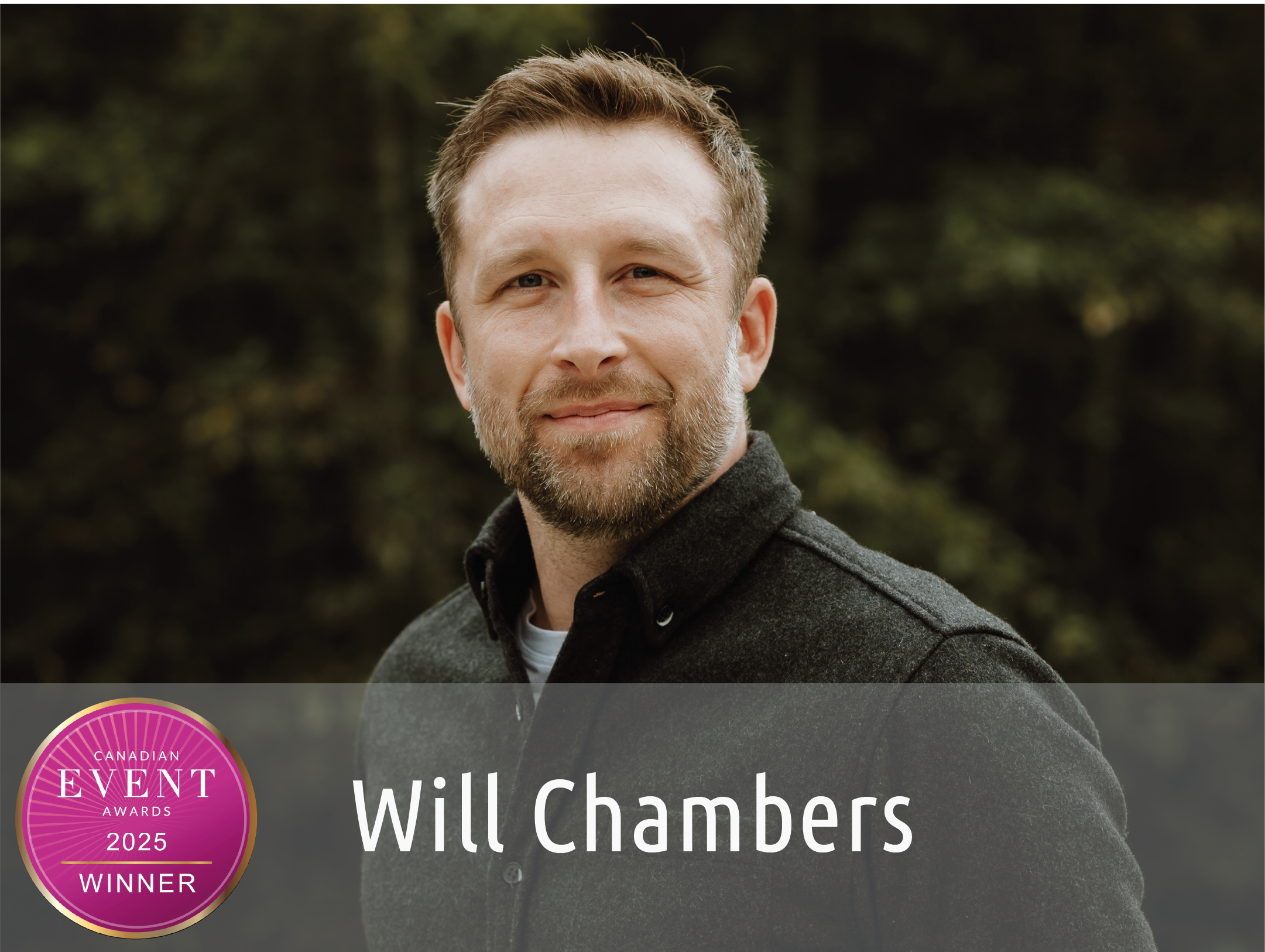
Will Chambers
Founder & Facilitator
Award-winning facilitator and Founder of Positive Impact, with sessions delivered to tens of thousands of people. Will focuses on strategy, leadership, team dynamics and communication, turning concepts into clear, committed action.
More about Will
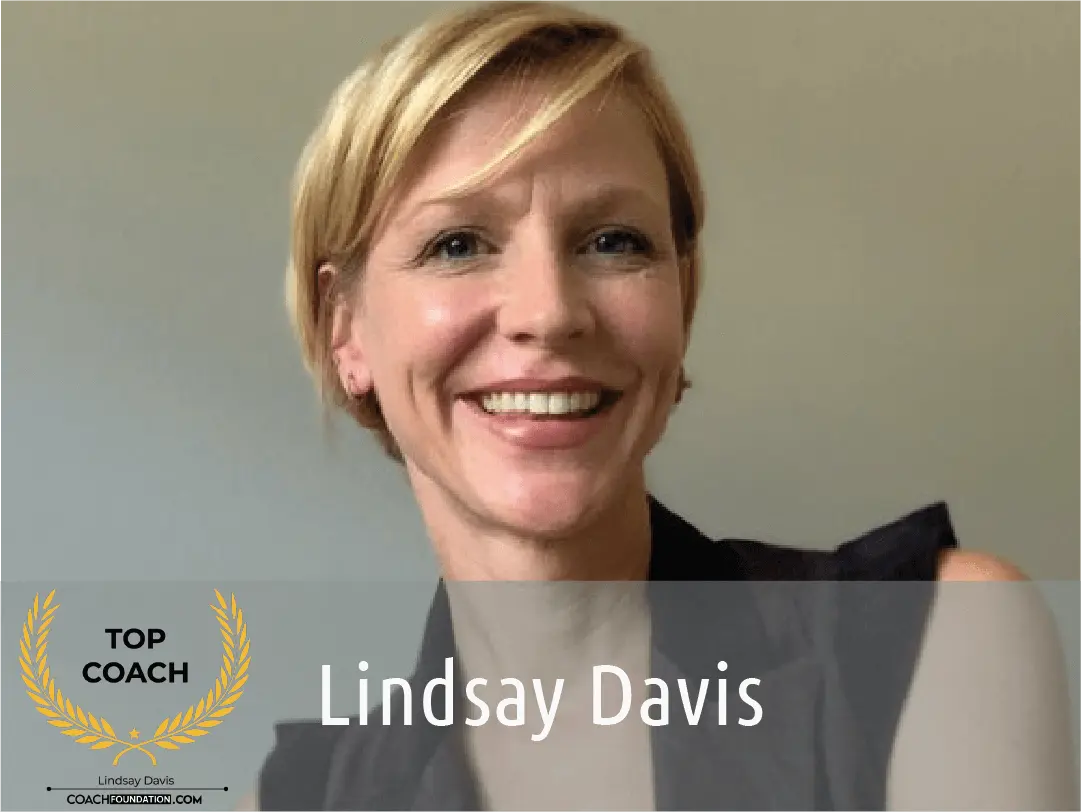
Lindsay Davis
Coach & Strategist
Award-winning coach and entrepreneurial guide, with experience spanning rural entrepreneurs in Africa to multimillion-dollar companies. Helps leaders focus on what matters most and build the resilience to anticipate challenges and move through them.
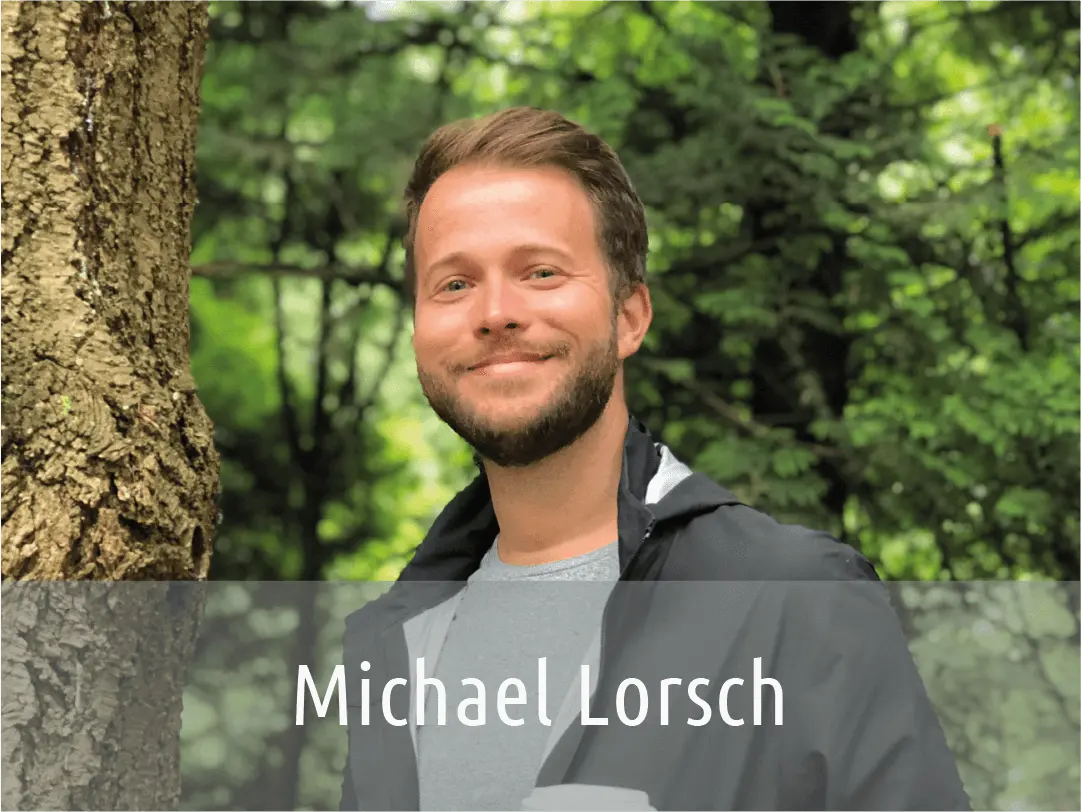
More about LindsayMichael Lorsch
Facilitator & Learning Consultant
Brings facilitation and learning design from theatre stages to executive boardrooms, including in-house work with lululemon. Blends mindfulness, relationship systems and human-centred design to keep people at the centre of every session.
More about Michael
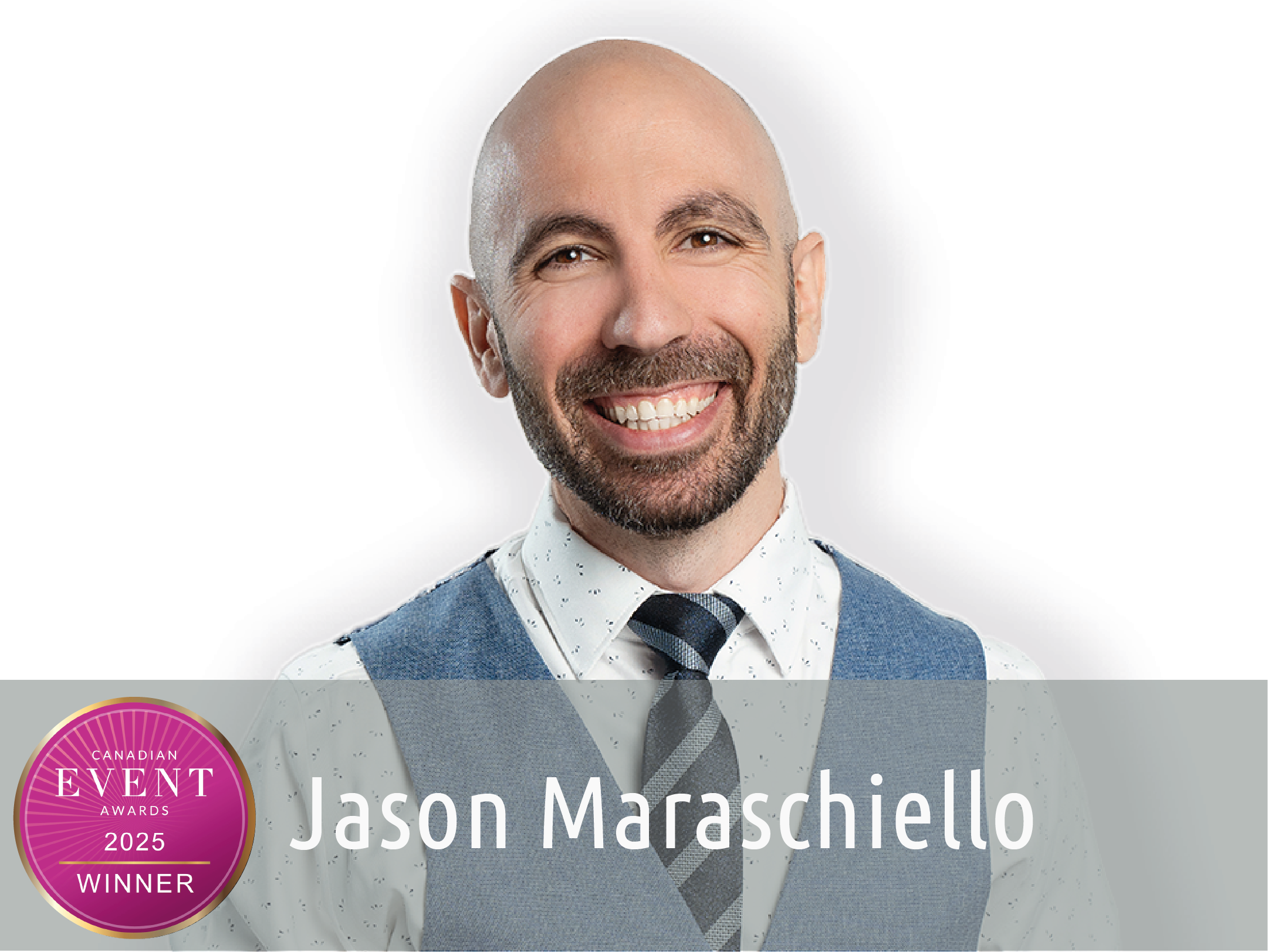
Jason Maraschiello
Coach & Facilitator
Certified life and corporate coach, mindfulness and meditation teacher. Uses mindfulness and effective communication to help people set manageable goals, find work-life balance and build the support to follow through.
More about Jason
For a planning engagement we assign one lead facilitator who runs discovery, designs the session, delivers it, writes the plan up, and returns for each quarterly session. That continuity is most of what makes 12+1 work: by the third quarter they know your organization’s patterns and can tell when a commitment is slipping before anyone says so. Beyond the core team, we draw on a wider network of facilitators and subject-matter experts.





Before you book
Worth reading first
Six pieces that answer the questions most organizations have before a planning engagement.
- Why plan Why organize a strategic planning session Read the guide
- Making the case The ROI of professional facilitation Read the guide
- Which do you need Facilitation vs training: what’s the difference Read the guide
- Getting ready How to prepare your team for a facilitated session Read the guide
- Measurement How to measure the success of a facilitation session Read the guide
- Afterwards Keeping momentum after the session ends Read the guide
Frequently Asked Questions
Strategic planning facilitation FAQs
What is strategic planning facilitation?
Strategic planning facilitation is a guided process where an external facilitator runs the session while your team does the strategic thinking. The facilitator owns the agenda, the frameworks, the timekeeping and the structure that keeps every voice in the conversation, so your leaders can participate rather than chair. The strategy that comes out is built from your organization’s own knowledge rather than imported, which is the main reason it survives contact with the year that follows.
What does a strategic planning facilitator actually do?
Three things, and only one of them is visible on the day. Before the session they run discovery, interview stakeholders and design an agenda around the decisions you actually have to make. During it they hold the process: applying frameworks, pressing when the room is avoiding a choice, making sure the most senior voice doesn’t settle things in the first twenty minutes, and writing decisions down as they happen. Afterwards they produce the written plan and, on a 12+1 engagement, return each quarter to keep it alive.
How is facilitation different from consulting?
A consultant analyses your organization and hands you a recommendation. A facilitator builds the process through which your own team reaches one. Consulting is the better purchase when you need expertise you genuinely don’t have in-house, such as a market analysis or a technical assessment. Facilitation is better when the knowledge is already in your organization and the problem is alignment, ownership or the fact that nobody has created the conditions for an honest conversation about trade-offs.
How does the facilitation process run?
Three phases. Phase one is current state analysis: stakeholder interviews, preliminary data collection and anonymous input, so we understand your organization before designing anything. Phase two is the customized off-site session itself, where your team applies the frameworks and co-creates the roadmap. Phase three is ongoing quarterly execution support through 12+1, focused on accountability and refinement. Each phase is tailored to your organization’s timeline, and each is valuable on its own.
Why should we hold the session off-site?
Off-site creates physical and psychological distance from day to day operations, and both halves of that matter. People think more creatively and speak more openly when they are not sitting at the desk they left an hour ago, and the change of setting signals that this is dedicated strategic time rather than business as usual. That signal does a surprising amount of work on how seriously the day gets taken. Where an off-site genuinely isn’t practical, we will design around it rather than insist, but we will tell you what you are trading away.
How long is a strategic planning session?
One to two days for the main session, depending on scope and how many people are in the room. A single day suits annual priority setting or refreshing an existing plan. Two days suits multi-year direction, particularly where the trade-offs are contested, because a group that has to choose between good options needs somewhere for that argument to go. Discovery happens in the weeks beforehand, and quarterly follow-up sessions are typically a day each.
What is the 12+1 methodology?
Twelve weeks of execution, then one session, repeating through the year. Every thirteen weeks we reconnect with your team to assess what actually moved, make course corrections and reset commitments for the next twelve weeks. It exists because most plans fail in execution rather than in design, usually around week seven, when nothing in the calendar forces a return to them. A booked external session is harder to postpone than an internal review, and that friction is doing most of the work.
What frameworks do you use?
Deloitte’s Stakeholder Mapping, RACI for role clarity, PESTLE for environmental scanning, SWOT for strategic positioning, and SMARTER goal setting for objectives that can actually be assessed. Which ones we use depends on what discovery surfaces, and we’d rather use two well than six for the sake of it. A framework is a way of structuring a conversation, and a session that runs on frameworks instead of on the conversation has missed the point.
Who should be in the room?
The people with the authority to decide, plus the people who will have to deliver what gets decided, which is not always the same group. Eight to twenty-five works comfortably. Above about thirty the design changes considerably, because plenary discussion stops functioning and the day has to be built outward from small groups. This is not only for executive teams either. Departmental leadership groups, cross-functional project teams and any group that has to align on priorities and then deliver them all benefit from the same process, with the scope adjusted. We’ll help you work out who needs to be in the room, who should be consulted beforehand through discovery, and who simply needs to hear the outcome.
Can you train our people to facilitate this internally?
Yes, and for some organizations that’s the better investment. We can build internal facilitation capability so your team can run its own quarterly sessions and shorter planning work. What we’d flag honestly is that an internal facilitator has the same limitation as any internal chair: they can hold the process or take part in it, not both. For the sessions where your most senior people need to be participants, an outside facilitator is still worth the cost.
Let’s talk about your plan
Tell us what your organization is deciding this year, and we’ll tell you honestly whether that’s a planning day, a multi-day retreat, or a full year with quarterly accountability attached.
Get in Touch
