

Washington Facilitator
Facilitated planning, leadership and team sessions for organizations on both sides of the Cascades.
We create sessions that are greater than the sum of their parts, guided by award-winning facilitators.
- 110,000+people facilitated globally
- Award-winningfacilitators
- Puget Sound to Spokanein person, virtual or hybrid
We design sessions that leave teams with shared clarity, specific commitments, and the momentum to follow through.
Trusted by teams across the public, private and non-profit sectors




Washington
Facilitation for teams on both sides of the Cascades
Positive Impact Professional Development facilitates strategic planning, leadership development, team retreats, and change management for organizations across Washington. Statewide here means two economies with a mountain range between them, so a session built for a Puget Sound room rarely lands the same way in Spokane or the Yakima Valley.
We're a Canadian company and we cross the border for in-person work, which we'd rather say plainly than imply an office in Seattle we don't have. What we bring is the facilitation craft: someone neutral who owns the process so your people can own the content. If your work sits entirely in the metro area, our Seattle facilitation page covers that market in more detail.
What we do
The areas Washington teams call us in for
Every engagement starts with your context. If your challenge isn't listed here, ask us anyway.
Strategic Planning
Plenty of organizations here run sites on both sides of the mountains, which means a plan written in Bellevue gets delivered in Spokane, Yakima or the Tri-Cities. We facilitate the process so the people doing the delivering help shape it.
Learn moreCommunication Training & COMS
Our own communication styles framework, giving teams a common language for how they each work. It earns its keep fastest where a policy team, a clinical team and an operations team have to agree, and each is fluent in a different dialect of the same language.
Learn moreTeam Development & Team Building
Retreats, offsites and tailored sessions that build the trust and psychological safety strong teams depend on. Worth booking with the pass in mind, since a January date over Snoqualmie carries a risk a September one does not.
Culture & Engagement
From vision and values work to culture shifts, we help turn shared purpose into commitments people live by, including in organizations where growth on one side of the state has left the other side feeling like a branch office.
Leadership Development & Executive Coaching
Hands-on coaching and development for managers and executives, aimed at building clarity and confidence in how they lead. Often engineers, clinicians or agronomists who now lead the people doing the work they used to do themselves.
Corporate Training
Participant-led training designed around your people, with tools that stay useful long after the session ends. Delivered to a single site, or across sites when your teams are spread the width of the state.
Every engagement we run is shaped around your team. Tell us where your people actually sit and we'll build the right session around it.
Share what you're working onHow We Facilitate
Sessions that turn conversation into a plan every site can run with
There's no prepared script. We guide the process, your team brings the expertise, and together we build toward a plan your people helped shape and will actually use.
In Washington that usually means designing for a room that is part Puget Sound and part everywhere else, where the two halves work to different budgets, a different pace, and different assumptions about what counts as urgent. Facilitator-guided, participant-led, whichever side of the mountains people are joining from.
Get in Touch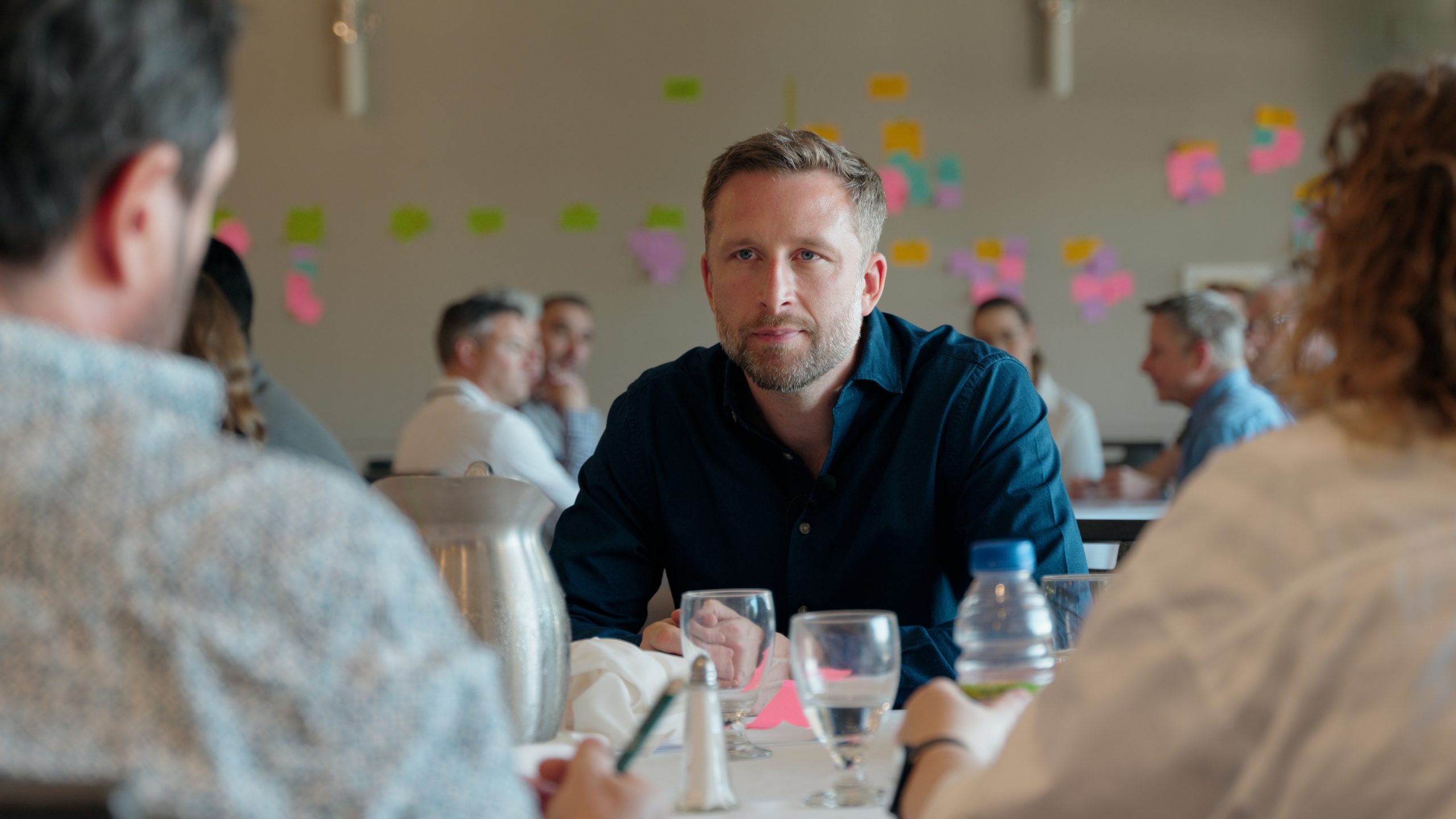
Why work with us
Three ways Washington teams engage a facilitator
Every engagement is customizable, but most start in one of these shapes.
Quarterly or monthly
Ongoing Partnership
A facilitator who gets to know your team over time, so trust deepens and development compounds instead of starting fresh each session. Mostly virtual, anchored by one or two in-person days a year.
Best for: making development a habit rather than a one-off.
Ask about a partnershipMulti-day, immersive
Multi-Day Offsite
Extended session for strategic planning, leadership development or a culture shift. Washington has genuine offsite country within about two hours of most of its cities, so a real offsite here costs little beyond the venue.
Best for: bigger decisions that need room to breathe.
Talk about an offsiteHalf-day to full-day
Single Workshop
A focused session built around one goal, whether that's a decision, a kickoff, or a skill such as communications or building trust and psychological safety.
Best for: teams that know exactly what they need to work through.
Ask about a workshop
How we facilitate
A clear path from first call to follow-through
Each engagement follows a similar path, and includes the same care, from your first call to the work that carries on after we head home.
-
Discovery
A call to understand your context, your goals, and which sites need a seat at the table.
-
Design
Customized session design, built around your team rather than a template.
-
Facilitation
An experienced facilitator in the room or online, and on site the day before.
-
Materials
Materials and tools your team can keep using afterward.
-
Follow-up
A summary with commitments and clear next steps.
-
Support
Optional support to help momentum carry past the session.
Why facilitation?
How a team works together shapes everything it creates.
$100 Million
is the yearly cost for big companies for staff being in pointless meetings.
65%
of senior managers say that meetings keep them from completing their own work.
58%
of Americans would rather go to a doctor's appointment than attend a work meeting.
75%
of decision-makers feel that collaboration needs to be improved in their companies.
Forrester Research, 2021
Outcomes
What your team walks away with
Decisions the whole room owns
Decisions the group actually gets behind, instead of quiet disagreement that surfaces two weeks later in a smaller meeting nobody minuted.
Real buy-in
Because people helped shape the outcome, they leave invested in it rather than briefed on it.
Stronger team connection
The kind of trust and psychological safety that lets high-performing teams work well together, including the folks who drove four hours to be there.
Action that sticks
Clear commitments and ownership that carry into Monday morning, not just good intentions on the day.
Fresh thinking and better ideas
Space for your team's best thinking to surface, including ideas from the parts of the organization that don't usually get the floor.
A record everyone can point at
A written summary of what was decided, who owns it, and by when. Particularly useful when half the group has to brief a site that wasn't in the room.
Client stories
Real teams, real outcomes
These aren't all Washington engagements, and we won't pretend otherwise. They're the kinds of sessions we run and the outcomes teams point to afterward.

What our clients say
It was a pleasure to work with Will and Positive Impact. I was both inspired and empowered to co-deliver a meaningful offsite. Their positive incite into leadership performance and emotional resilience gave me clear direction and tactical tools I could apply to my workplace right away. I thoroughly look forward to working with Will again.
- Haley Daniels
Olympian and Motivational Speaker
Thanks for your incredible support, kindness, professionalism, and realness.
It was my sincere pleasure and privilege to work with you on our event.
You are a unique and special human, and I’m grateful that our paths crossed on this project, and look forward to the next time.
- Shauna Grinke, MBA, CPHR
Vice President - People and CultureThe workshop was an incredibly valuable experience for our team — the facilitator created an open, engaging environment that encouraged honest discussion and collaboration. The content was thoughtfully tailored to our team’s specific goals, making the session both relevant and actionable. We’re excited to continue partnering with Positive Impact to build on the great momentum sparked in this session.
- Shannon Charbonneau
Account Director
Treetop Marketing and Promotion Inc.
I’m leaving our session with a sense of optimism that I haven’t had in a while. It was time extremely well spent! I am sure that we all feel much closer and more connected.
- Participant
MDA Geointelligence Engineering Leadership SummitThe environment that was created made me feel comfortable to participate and collaborate with my colleagues. It was very well organized. I liked the outcome of the brainstorm sessions and warmup activities.
- ParticipantThe level of engagement and pace of the training was excellent. Like the fact that this workshop was trainer-guided, but participants lead!
- ParticipantFantastic facilitating most importantly Will understood when to let us talk and when to corral us back on track. Excellent value this afternoon.
- Engagement Workshop Participant



100% Satisfaction Guarantee.
We stand behind the quality of our work with complete confidence. If you're not fully satisfied with the results, we'll make it right.
Your trust matters more to us, and our guarantee acknowledges our belief that you deserve to feel confident in every investment you make with us. That's a standard we hold ourselves to, every time.
Ready to talk about your team?
Get in TouchAround the state
Where sessions happen, and what usually fits
Washington is two working environments with a mountain range in between. The format that works in Bellevue is rarely the one that works in the Columbia Basin, so we plan around that rather than ignore it.
| Region | Organizations based there | Format that usually fits |
|---|---|---|
| Seattle, Bellevue and the Puget Sound core | Software, cloud and AI, aerospace, global health and life sciences, maritime and port, professional services, corporate headquarters | In person, full day or multi-day. The deepest pool of meeting space in the state. See our Seattle facilitation page for that market in detail. |
| Tacoma, Olympia and the South Sound | State agencies and commissions, ports and logistics, health systems, higher education, civilian teams around the military installations | In person. Olympia is the capital, so statewide public sector sessions often land here rather than in Seattle. |
| Everett, Bellingham and the north | Aerospace manufacturing and its supply chain, refining, agriculture, cross-border trade, municipal and tribal governments | In person, and the easiest part of the state to reach from the Canadian side of the border. |
| Spokane and the Inland Northwest | Health systems and medical education, universities, professional services, manufacturing, regional government | In person, and worth a dedicated day rather than a side trip. Roughly a four hour drive or a short flight from Seattle. |
| Tri-Cities, Yakima and the Columbia Basin | Agriculture and food processing, wine, energy and environmental remediation, national laboratory research, tribal governments, irrigation districts, municipal and health teams | In person, scheduled around the growing season. Planting and harvest are not scheduling preferences, and a well-meant invitation for late September gets a very short reply. |
A local detail that matters
Statewide in Washington means two economies with a mountain range in between
The Cascades run the length of the state and they divide considerably more than the weather. West of them, the Puget Sound corridor runs on software, aerospace, global health and the port, and it is one of the highest income-per-capita regions in the country. East of them, Spokane, the Tri-Cities, Yakima and the Columbia Basin run on agriculture, energy, health and education at a fraction of the cost, on a slower and steadier cycle that does not spike and crash the way a technology economy does.
A session designed around Seattle carries Seattle assumptions about pace, budget and what counts as urgent. The people who drove over from Wenatchee or Walla Walla notice inside the first hour, and what they mostly do about it is go quiet. A facilitator who reads that quiet as agreement writes down a decision the room does not actually hold.
So we name it early rather than hope nobody minds. Small-group work is sized so east-side voices aren't outnumbered in every breakout. We will suggest holding a session in Spokane or the Tri-Cities rather than always asking the same people to cross the pass. And we check the date against the growing season before the agenda is written, because for a good share of the state's employers that is the calendar that actually governs.
Featured Workshops
Each of these runs in person, virtually, or as a hybrid, which matters when your people are spread the width of the state.
COMS Communication Styles
COMS is our own communication styles assessment, grounded in research and facilitated by our team. It gives your people a shared way to talk about how they each work, so different styles become an advantage instead of a source of friction.
It earns its keep fastest where several professional cultures meet. An engineer, a policy specialist and a grower will each read the same email differently, and without a shared vocabulary that difference gets filed under personality rather than training.
Eight questions, one simple grid, and a reference the whole team can point at months later.
Learn more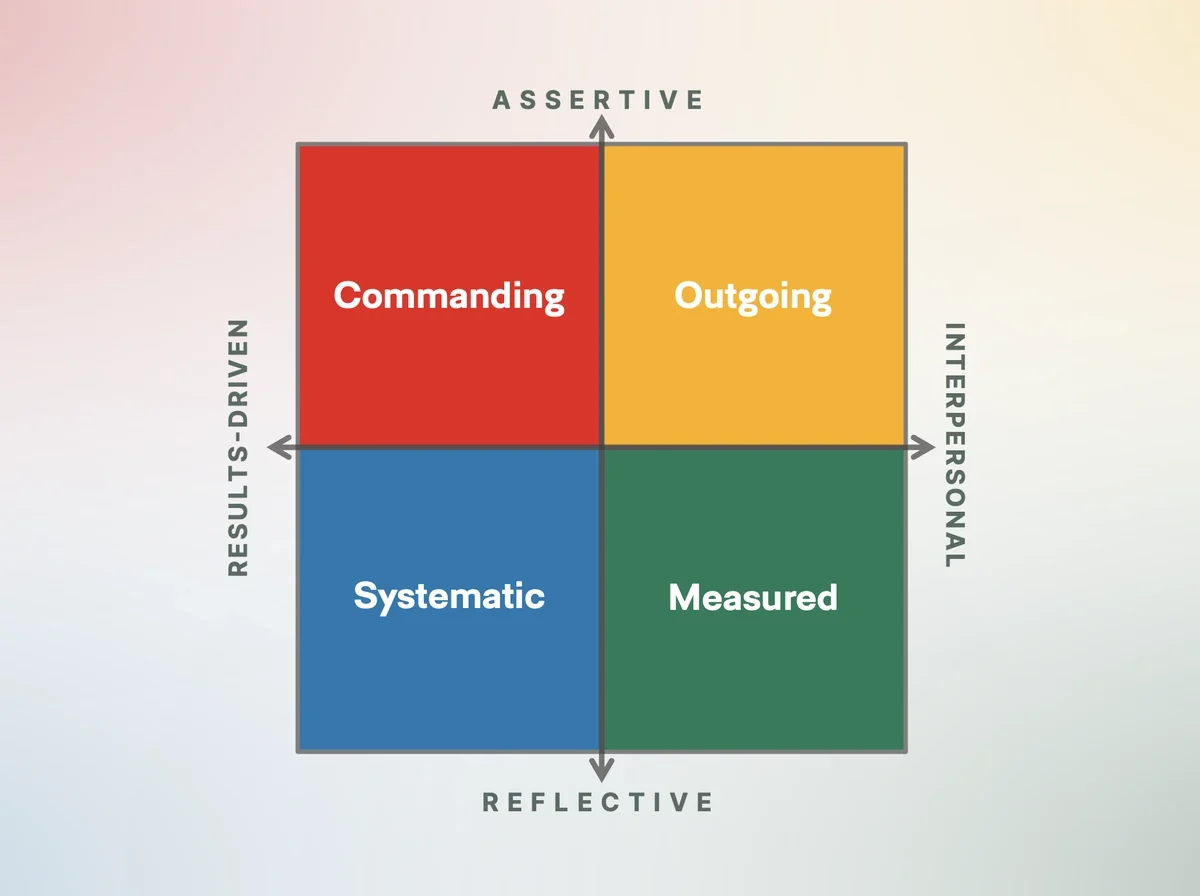
Strategic Planning
This is where your team gets a real say in shaping and carrying out the organization's direction, landing on initiatives that actually move forward.
We facilitate the process so the people running operations in Spokane or Pasco shape the plan rather than receive it, which is usually the difference between a plan that lands and one that gets politely ignored.
A strategic plan is a living, breathing document. We stay involved as it plays out over the following months and years.
Learn more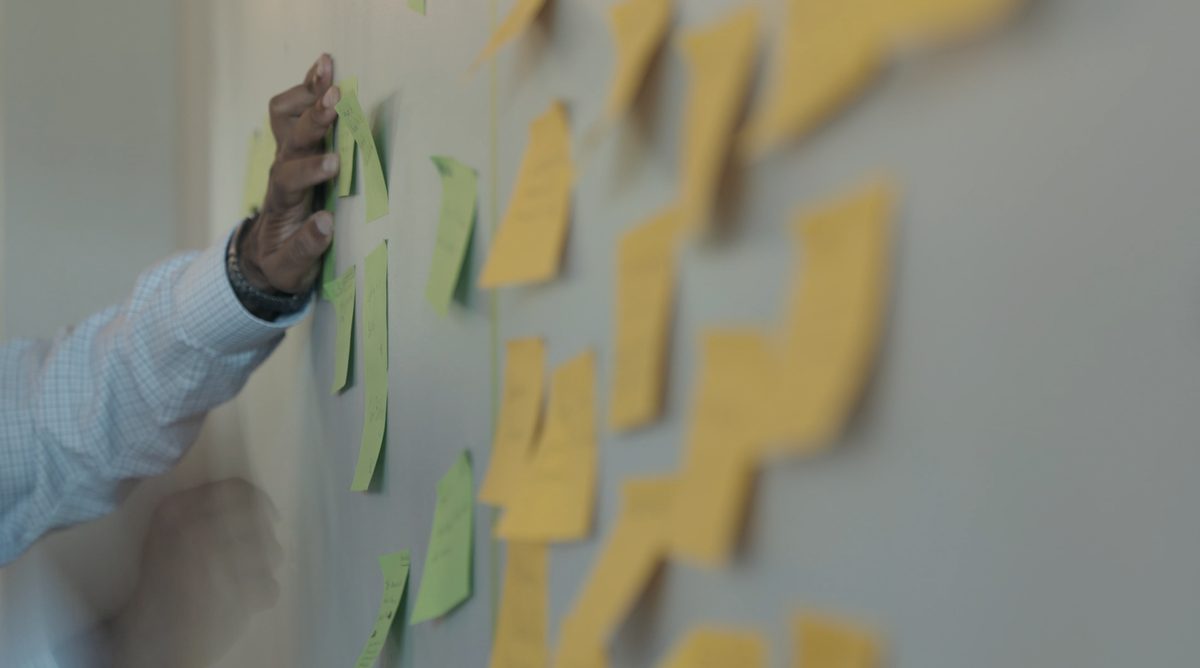
5 Dysfunctions of a Team
This session takes a good team and helps make it excellent. We draw on Patrick Lencioni's well-known framework, approached through an appreciative inquiry lens that starts with what's already working.
It lands well with leadership groups that have been together long enough to be polite with each other. Politeness is not the same as trust, and the difference shows up in how quickly a team can disagree and still leave the room aligned. The five behaviours, trust, conflict, commitment, accountability and results, are all on the table.
Your people walk away with shared language for how they work together, and a plan for moving forward that they built themselves.
Learn more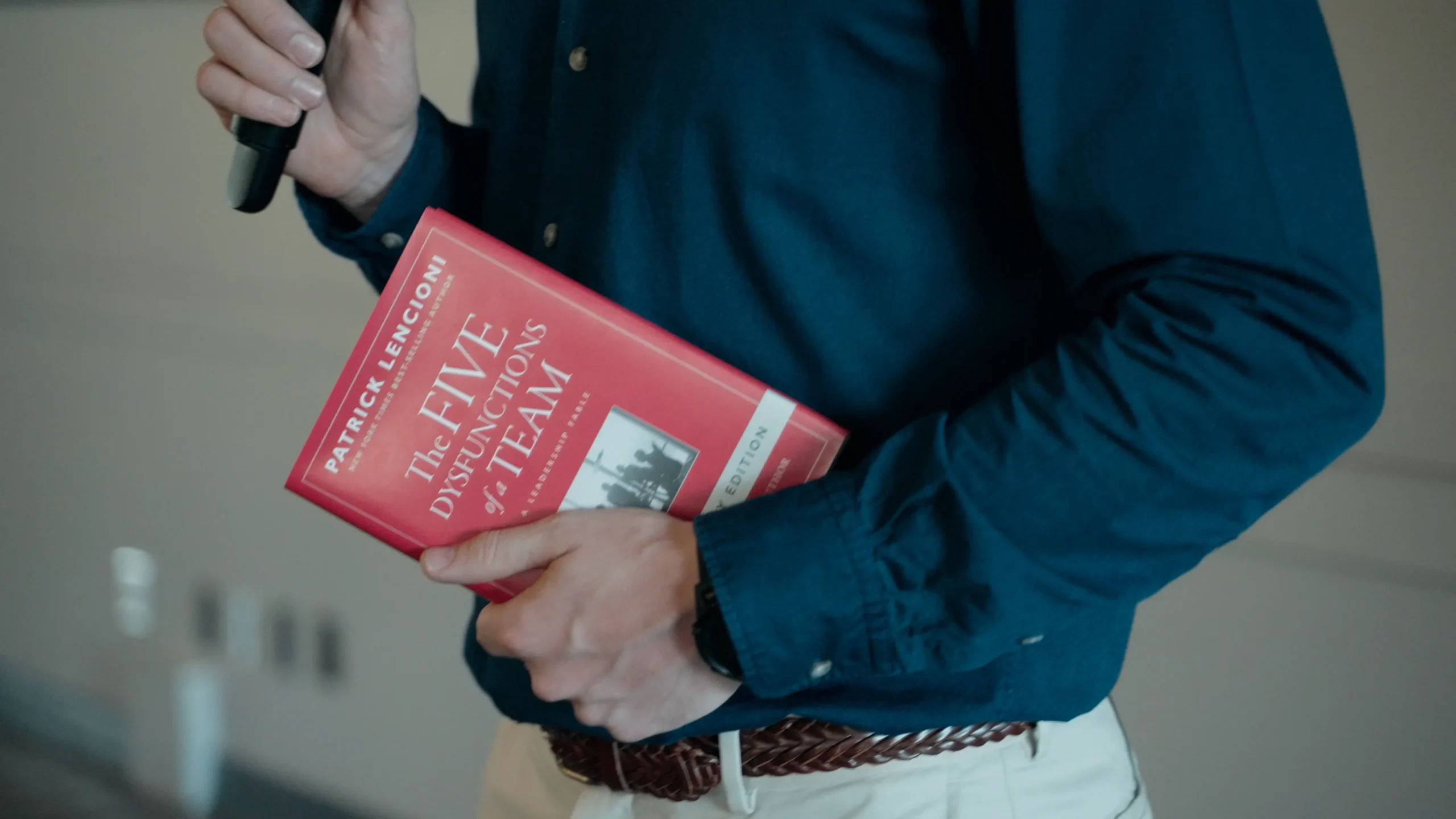
Our Core Team
Great content is only made better by great facilitators

Will Chambers
Founder & Facilitator
Award-winning facilitator and Founder of Positive Impact, with sessions delivered to tens of thousands of people. Will focuses on strategy, leadership, team dynamics and communication, turning concepts into clear, committed action.
More about Will
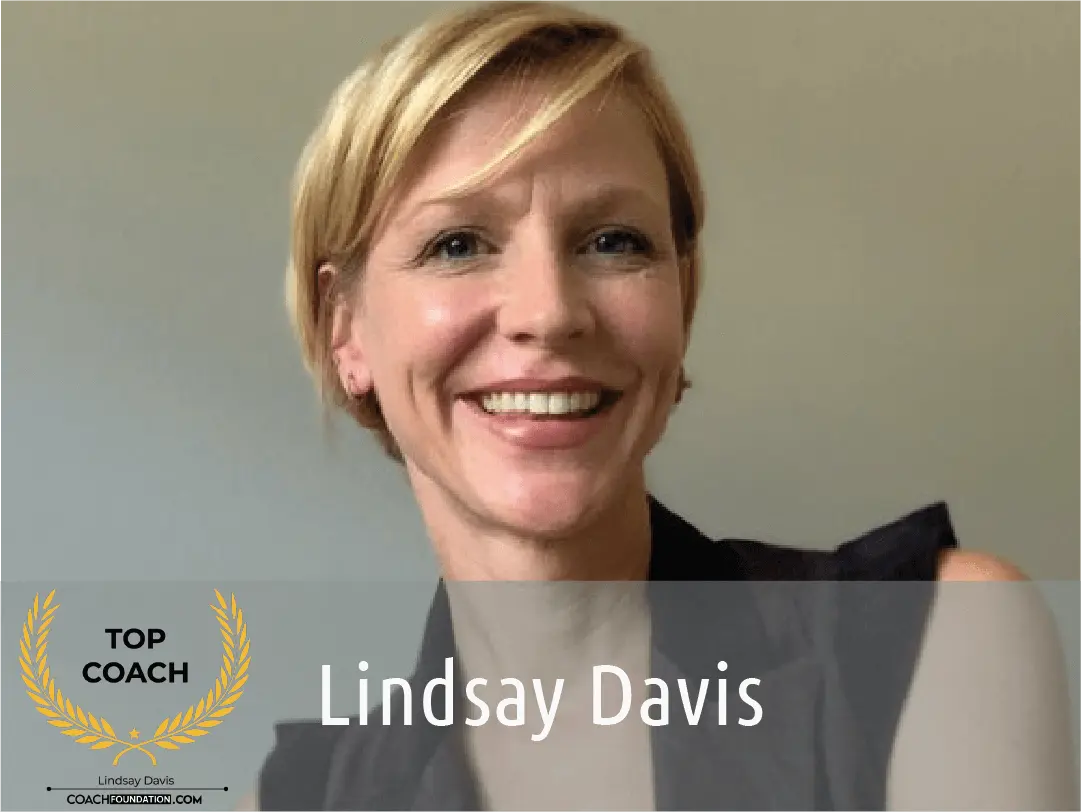
Lindsay Davis
Coach & Strategist
Award-winning coach and entrepreneurial guide, with experience spanning rural entrepreneurs in Africa to multimillion-dollar companies. Helps leaders focus on what matters most and build the resilience to anticipate challenges and move through them.
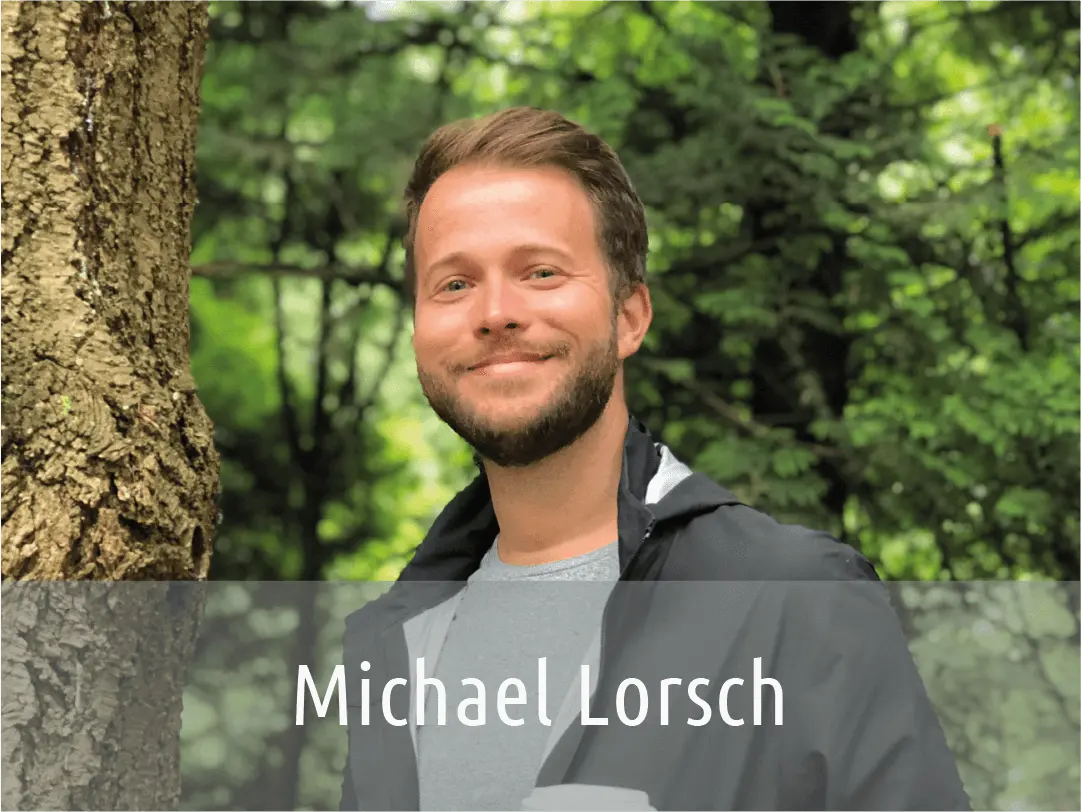
More about LindsayMichael Lorsch
Facilitator & Learning Consultant
Brings facilitation and learning design from theatre stages to executive boardrooms, including in-house work with lululemon. Blends mindfulness, relationship systems and human-centred design to keep people at the centre of every session.
More about Michael
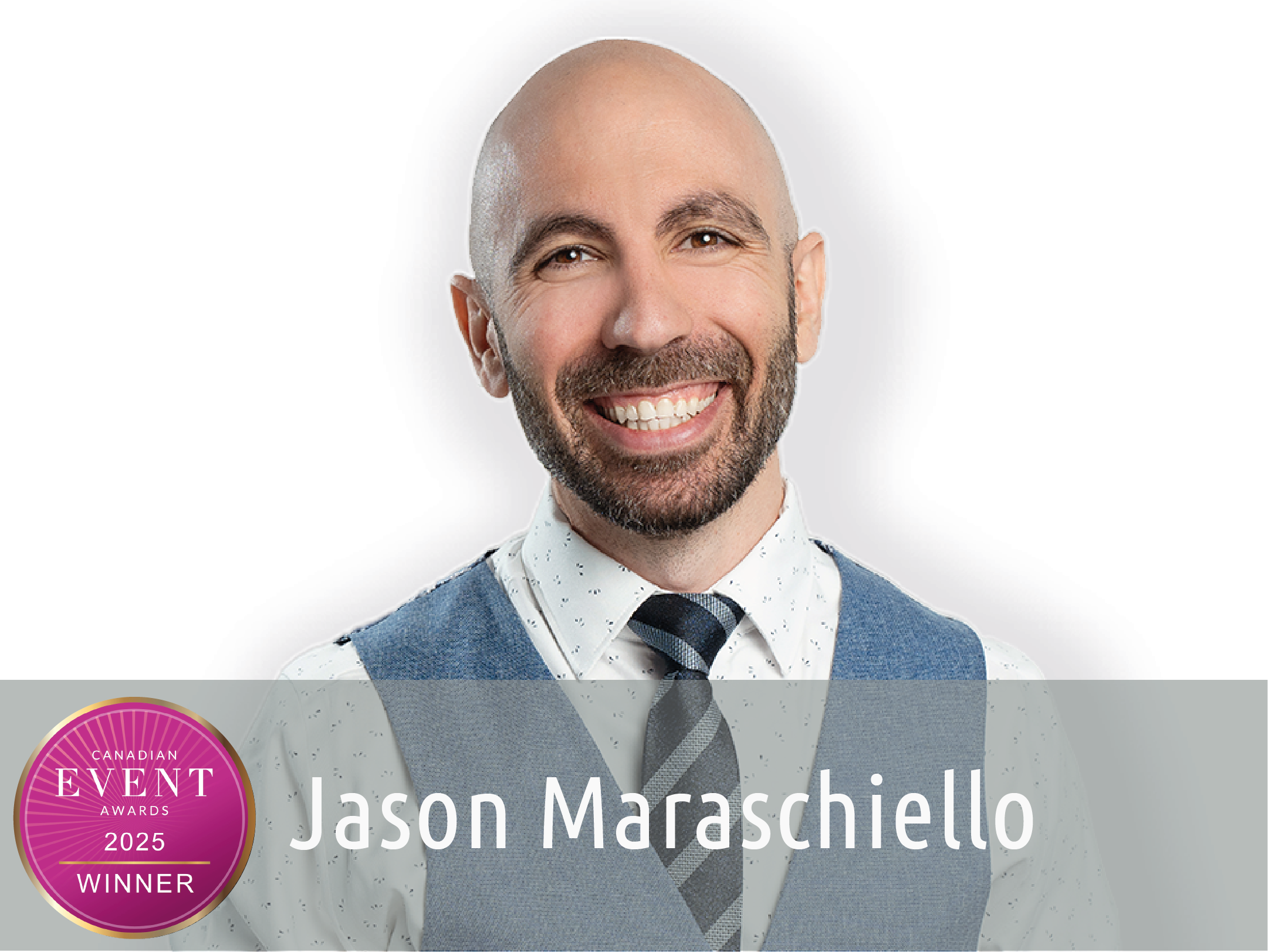
Jason Maraschiello
Coach & Facilitator
Certified life and corporate coach, mindfulness and meditation teacher. Uses mindfulness and effective communication to help people set manageable goals, find work-life balance and build the support to follow through.
More about Jason
For work in Washington we assign one lead facilitator who travels for the session and stays with you through the follow-up, rather than handing you to a different person each time. Beyond the core team, we draw on a wider network of facilitators and subject-matter experts, matched to the goals, sector, and people of each engagement.




Before you book
Worth reading first
Six pieces that answer the questions most teams have before a first session.
- The role What is a facilitator's role Read the guide
- Honest advice When not to hire a facilitator, and what to do instead Read the guide
- Choosing well The 13 definitive skills of a good facilitator Read the guide
- Strategic planning Why organize a strategic planning session Read the guide
- Hybrid sessions Making mixed in-person and remote sessions work Read the guide
- Getting ready How to prepare your team for a facilitated session Read the guide
Frequently Asked Questions
Facilitation in Washington
Are your facilitators based in Washington?
No. Positive Impact is a Canadian company and our facilitators cross the border for in-person work in Washington. We'd rather say that plainly than imply a local office we don't have. Arriving without a history with anyone in the group is often the more useful half of being an outsider, and the facilitation craft travels well. What doesn't travel is knowledge of your organization, which is exactly why our sessions are built to draw that out of the room rather than import it.
Can you run one session for people on both sides of the Cascades?
Yes, and the design changes when we do. The two halves of the state work to different budgets and a different pace, so we get that on the table in the first hour rather than letting it sit under the conversation all day. Small-group work is sized so the east-side participants aren't outnumbered in every breakout, and we'll often suggest holding the session in Spokane or the Tri-Cities rather than asking the same people to cross the pass again.
What does working with a Canadian firm involve for a US organization?
Practically, it means your procurement or finance team is onboarding a foreign supplier, so it's worth starting that step early rather than the week before the session. We invoice in either currency, we're used to US vendor forms, and we'll work to your purchasing process rather than asking you to work around ours. Cross-border travel is quoted as a separate line item so you can see exactly what it adds.
What kinds of organizations do you work with here?
Leadership teams, boards, and departments across private, public, and non-profit organizations. In Washington that tends to mean technology and aerospace employers, global health and life sciences institutions, health systems, state agencies and commissions, ports and logistics, agriculture and food processing, higher education, tribal governments, municipalities, and associations with a statewide membership. Group size ranges from an executive team of eight to a leadership summit of sixty.
Why hire a facilitator instead of having a manager chair the meeting?
Because nobody can run the process and participate in it at the same time without one of the two suffering. When a senior person chairs, their own view carries extra weight whether they intend it or not, and the quieter opinions in the room stay quiet. An external facilitator is guided by the process while your team leads the content, which means your most senior people get to be participants for once. That's usually where the fault lines and the opportunities actually surface.
When is the worst time of year to book a session here?
Planting and harvest if anyone in your group is connected to agriculture, which east of the mountains covers a great many organizations, either directly or through the businesses that serve them. Midwinter is worth a second thought too, because a session that depends on people crossing Snoqualmie or Stevens Pass has a weather-shaped single point of failure on it. Tell us your sectors on the first call and we'll say plainly whether the date you're eyeing is realistic.
How far ahead should we book?
Six to eight weeks is comfortable for an in-person session. That window covers a proper discovery call, a session design built around your goals rather than a template, and any pre-work such as an anonymous survey or short interviews. Public sector calendars have their own rhythm around budget and legislative cycles, so tell us yours early and we'll design around it. Virtual sessions can move faster.
What does our team actually walk away with?
A written summary with the decisions made, the commitments people made out loud, and who owns what by when. Most sessions also produce something structural, such as a plan on a page, a set of priorities the group agreed to, or shared language for how the team communicates. The point is traction on Monday morning rather than a good feeling that fades by Wednesday. We can stay involved afterward if you want support keeping it alive.
Let's talk about your team
Tell us what you're working through and where in the state your people sit, and we'll tell you honestly whether facilitation is the right tool and what a session in Washington would look like.
Get in Touch
