

Oregon Facilitator
Facilitated planning, leadership and team sessions for organizations working across Oregon.
We create sessions that are greater than the sum of their parts, guided by award-winning facilitators.
- 110,000+people facilitated globally
- Award-winningfacilitators
- Coast to high desertin person, virtual or hybrid
We design sessions that leave teams with shared clarity, specific commitments, and the momentum to follow through.
Trusted by teams across the public, private and non-profit sectors




Oregon
Facilitation for organizations working across Oregon
Positive Impact facilitates strategic planning, leadership development, team retreats, and change management for organizations working across Oregon. A statewide group here is rarely a single constituency. Roughly half the state's population sits in one metro area, and the communities beyond it operate on different economies, different distances and, often, a different read on whether their view will count.
If your session is specifically for a team in the Portland metro, our Portland page goes into more detail on that market. This page is for organizations whose footprint is the state: agencies and commissions, associations with members in every county, health and education systems, and companies with operations on both sides of the Cascades. We are a Canadian firm, a 1% for the Planet member, and pursuing B Corp certification rather than holding it.
What we do
The areas we're called in for most
Every engagement starts with your context. If your challenge isn't listed here, ask us anyway.
Strategic Planning
A statewide plan has to be defensible in Pendleton as well as Portland. We facilitate the process so the regions that usually receive a plan help shape it instead, which is most of the difference between adoption and polite compliance.
Learn moreCommunication Training & COMS
Our own communication styles framework, giving teams a common language for how they each work. It travels well between a head office and a field office that only sees leadership twice a year.
Learn moreTeam Development & Team Building
Retreats, offsites and tailored sessions that build the trust and psychological safety strong teams depend on. The Gorge, the coast and Central Oregon all offer venues that cost less than the equivalent further north.
Culture & Engagement
From vision and values work to culture shifts, we help turn stated values into observable commitments, including in organizations serving communities with genuinely different expectations of them.
Leadership Development & Executive Coaching
Hands-on coaching and development for managers and executives, often regional leaders newly responsible for a statewide portfolio and finding the job changed more than the title did.
Corporate Training
Participant-led training designed around your people, with tools that stay useful long after the session ends. Delivered region by region across the state, or once to a group drawn from all of them.
Every engagement we run is shaped around your team. Share what you're working on and we'll build the right session around it.
Share what you're working onHow We Facilitate
Sessions that turn conversation into a plan your team can actually run with
There's no prepared script. We guide the process, your team brings the expertise, and together we build toward a plan your people helped shape and will actually use.
Here that often means designing so the regions with the fewest people in the room still shape the outcome. Facilitator-guided, participant-led, and built so influence is not simply a function of how many of you turned up.
Get in Touch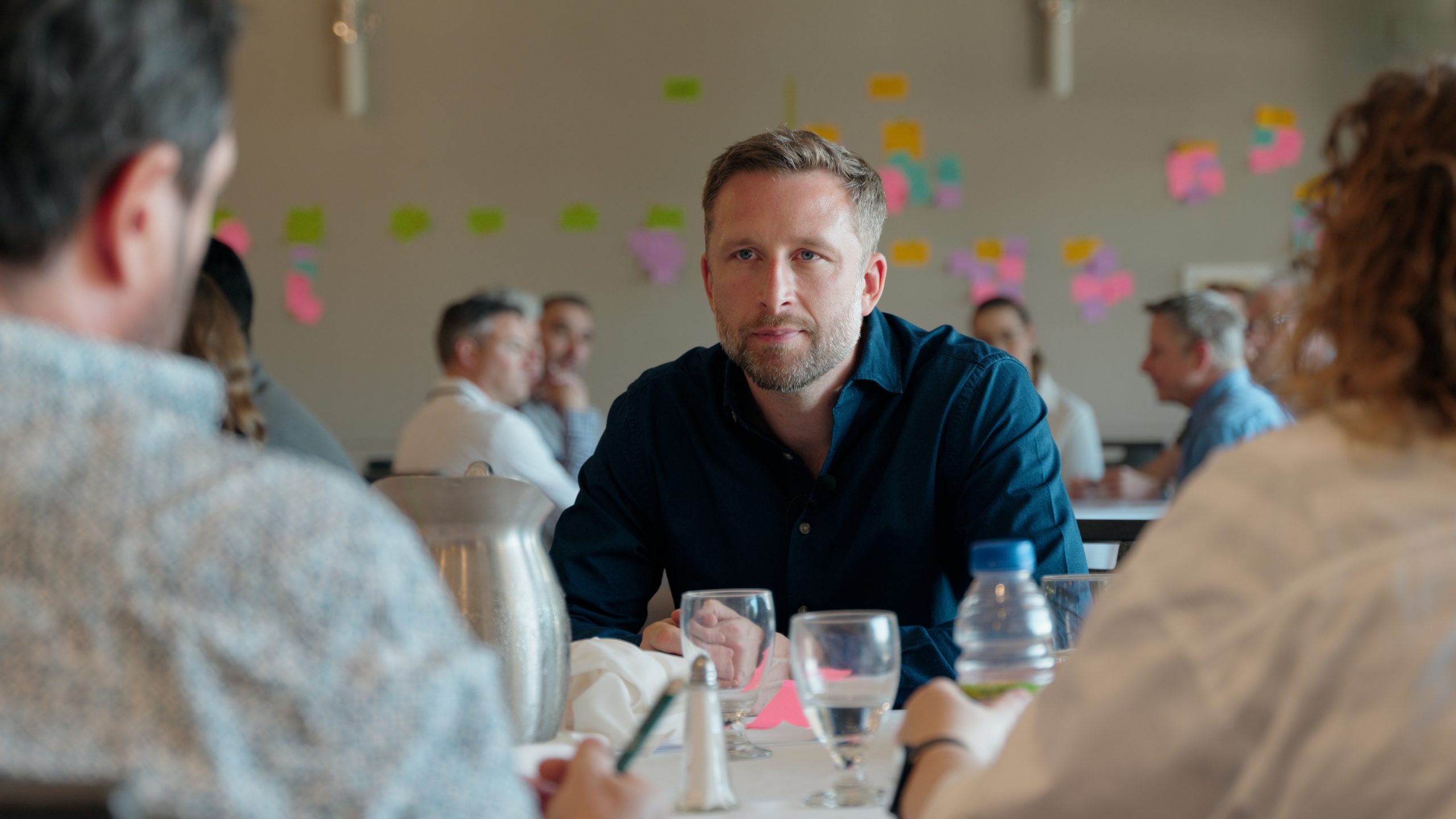
Why work with us
Three ways teams here engage a facilitator
Every engagement is customizable, but most start in one of these shapes.
Quarterly or monthly
Ongoing Partnership
A facilitator who gets to know your team over time, so trust deepens and development compounds instead of starting fresh each session. Mostly virtual, anchored by one or two in-person days a year.
Best for: making development a habit rather than a one-off.
Ask about a partnershipMulti-day, immersive
Multi-Day Offsite
Extended session for strategic planning, leadership development or a culture shift. When we're flying east anyway, two days costs far less per day than one.
Best for: bigger decisions that need room to breathe.
Talk about an offsiteHalf-day to full-day
Single Workshop
A focused session built around one goal, whether that's a decision, a kickoff, or a skill like communications or building trust and psychological safety.
Best for: teams that know exactly what they need to work through.
Ask about a workshop
How we facilitate
A clear path from first call to follow-through
Each engagement follows a similar path, and includes the same care, from your first call to the work that carries on after we fly home.
-
Discovery
A call to understand your context, your goals, and which parts of the state need to be genuinely represented rather than merely invited.
-
Design
Customized session design, built around your team, not a template.
-
Facilitation
An experienced facilitator in the room or online, and in the room the day before.
-
Materials
Materials and tools your team can keep using afterward.
-
Follow-up
A summary with commitments and clear next steps.
-
Support
Optional support to help momentum carry past the session.
Why facilitation?
How a team works together shapes everything it creates.
$100 Million
is the yearly cost for big companies for staff being in pointless meetings.
65%
of senior managers say that meetings keep them from completing their own work.
58%
of Americans would rather go to a doctor's appointment than attend a work meeting.
75%
of decision-makers feel that collaboration needs to be improved in their companies.
Forrester Research, 2021
Outcomes
What your team walks away with
Better decisions, made together
Decisions the whole room actually gets behind, instead of quiet disagreement that surfaces later in the parking lot.
Real buy-in
Because people helped shape the outcome, they leave genuinely invested in it, not just told what was decided.
Stronger team connection
The kind of trust that lets a regional representative say the plan will not work where they are, early enough for it to be changed.
Action that sticks
Clear commitments and ownership that carry into Monday morning, not just good intentions on the day.
Fresh thinking and better ideas
Space for your team's best thinking to surface, including ideas that might never have come up otherwise.
A record everyone can point at
A written summary of what was decided, who owns it, and by when. Useful when half the group has to brief a site that wasn't in the room.
Client stories
Real teams, real outcomes
Most of our work is Canadian, and we won't pretend otherwise. The craft travels; these are the kinds of sessions we run. They're the kinds of sessions we run and the outcomes teams point to afterward.

What our clients say
It was a pleasure to work with Will and Positive Impact. I was both inspired and empowered to co-deliver a meaningful offsite. Their positive incite into leadership performance and emotional resilience gave me clear direction and tactical tools I could apply to my workplace right away. I thoroughly look forward to working with Will again.
- Haley Daniels
Olympian and Motivational Speaker
Thanks for your incredible support, kindness, professionalism, and realness.
It was my sincere pleasure and privilege to work with you on our event.
You are a unique and special human, and I’m grateful that our paths crossed on this project, and look forward to the next time.
- Shauna Grinke, MBA, CPHR
Vice President - People and CultureThe workshop was an incredibly valuable experience for our team — the facilitator created an open, engaging environment that encouraged honest discussion and collaboration. The content was thoughtfully tailored to our team’s specific goals, making the session both relevant and actionable. We’re excited to continue partnering with Positive Impact to build on the great momentum sparked in this session.
- Shannon Charbonneau
Account Director
Treetop Marketing and Promotion Inc.
I’m leaving our session with a sense of optimism that I haven’t had in a while. It was time extremely well spent! I am sure that we all feel much closer and more connected.
- Participant
MDA Geointelligence Engineering Leadership SummitThe environment that was created made me feel comfortable to participate and collaborate with my colleagues. It was very well organized. I liked the outcome of the brainstorm sessions and warmup activities.
- ParticipantThe level of engagement and pace of the training was excellent. Like the fact that this workshop was trainer-guided, but participants lead!
- ParticipantFantastic facilitating most importantly Will understood when to let us talk and when to corral us back on track. Excellent value this afternoon.
- Engagement Workshop Participant



100% Satisfaction Guarantee.
We stand behind the quality of our work with complete confidence. If you're not fully satisfied with the results, we'll make it right.
Your trust matters more to us, and our guarantee acknowledges our belief that you deserve to feel confident in every investment you make with us. That's a standard we hold ourselves to, every time.
Ready to talk about your team?
Get in TouchAround the region
Where sessions happen, and what usually fits
Oregon is a long way across and the regions do not resemble each other. Where a statewide session happens is a decision with meaning attached, not a booking detail.
| Region | Organizations based there | Format that usually fits |
|---|---|---|
| Portland metro | Technology and semiconductors, apparel and outdoor brands, non-profits and foundations, benefit corporations, professional services, health systems | In person, and the deepest pool of meeting space in the state. See our Portland facilitator page for more on that market. |
| Salem and the mid-valley | State agencies, commissions and boards, agriculture and food processing, health systems, municipal teams | In person. The capital, so a lot of statewide public sector sessions land here by default even when the group comes from everywhere. |
| Eugene and the south valley | Higher education and research, health systems, wood products and manufacturing, municipal and county teams | In person, and genuinely the fairest choice for a statewide group. Roughly central, which is worth more than convenience. |
| Bend and Central Oregon | Health systems, outdoor and recreation businesses, technology, tourism operators, municipal and county teams | In person, and worth its own visit rather than a side trip. Also where a lot of statewide retreats end up, for good reason. |
| Southern, coastal and eastern Oregon | Agriculture and ranching, forestry and wood products, fisheries on the coast, health and education, county and tribal governments | In person for an anchor session, virtual for follow-ups. Distances are real here and we build the travel into the scope rather than burying it. |
A local detail that matters
The difference between being invited and being represented
About half of Oregon's population lives in one metro area. For a statewide organization that produces an arithmetic problem with a human consequence: in any room assembled proportionally, the regions beyond the valley are a small minority, and they know it before they walk in.
So they often arrive expecting to be heard and not heeded, which is a reasonable expectation formed by experience rather than a bad attitude. A session that then runs on show of hands, or on whoever speaks most, confirms it. The people from the smaller regions go quiet by mid-morning, the plan gets adopted, and it turns out later that it does not work in half the state. Nobody in the room lied. The design simply never gave the minority view enough weight to change anything.
The design answers are unglamorous and they work. Small groups are composed by region rather than at random, so a regional view has to be argued rather than absorbed. Written input comes before discussion, which stops volume standing in for support. We ask explicitly what would have to be true for the plan to work in each region and treat the answers as requirements rather than as feedback. And we hold at least some statewide sessions outside the valley, because a group that has travelled four hours to be somewhere is not the same as a group that was asked to dial in.
Featured Workshops
Each of these runs in person, virtually, or as a hybrid, which is what makes them practical for a state this spread out.
COMS Communication Styles
COMS is our own communication styles assessment, grounded in research and facilitated by our team. It gives your people a shared way to talk about how they each work, so different styles become an advantage instead of a source of friction.
It's especially useful between a valley head office and field or regional staff, where a difference in how directly people speak gets attributed to attitude rather than to the job someone is doing.
Eight questions, one simple grid, and a reference the whole team can point at months later.
Learn more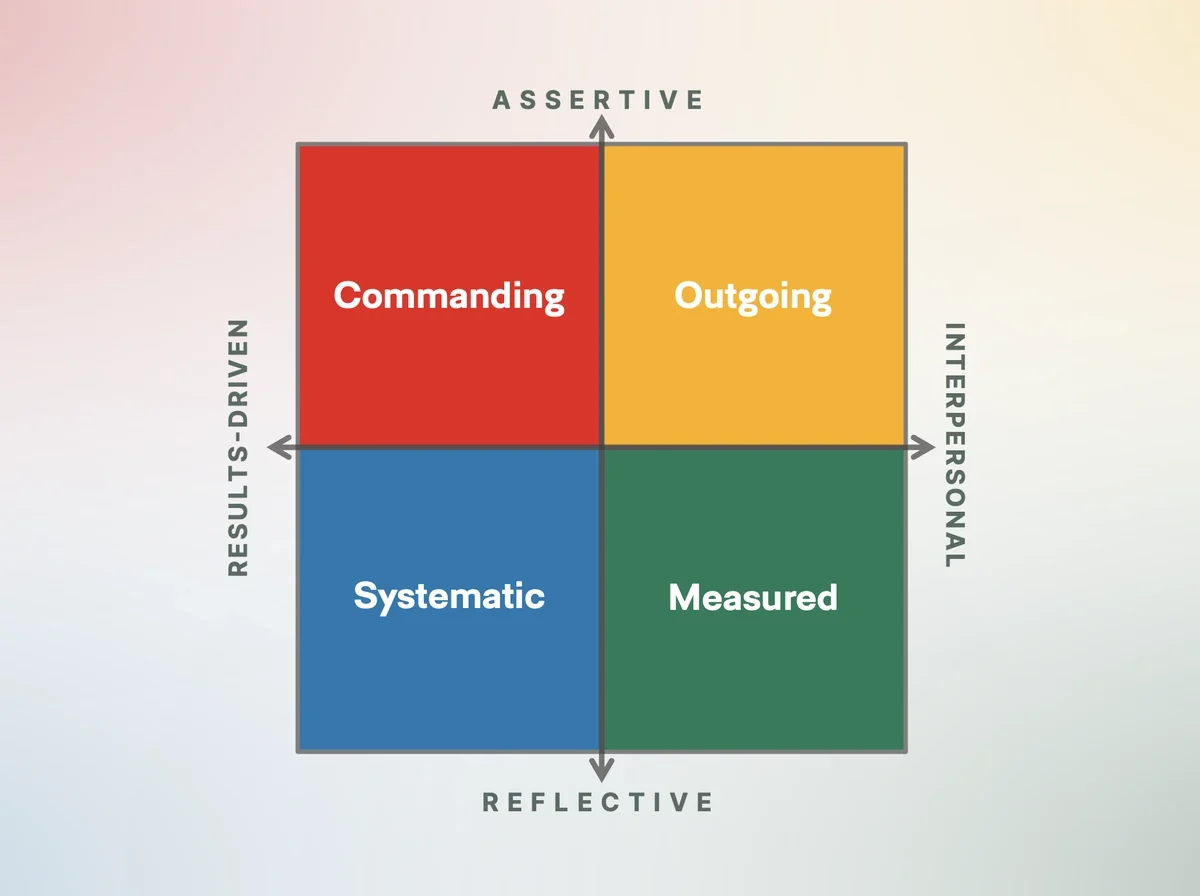
Strategic Planning
This is where your team gets a real say in shaping and carrying out the organization's direction, landing on initiatives that actually move forward.
A statewide plan has to be defensible in Pendleton as well as Portland. We facilitate the process so the regions that usually receive a plan help shape it instead, which is most of the difference between adoption and polite compliance.
A strategic plan is a living, breathing document. We stay involved as it plays out over the following months and years.
Learn more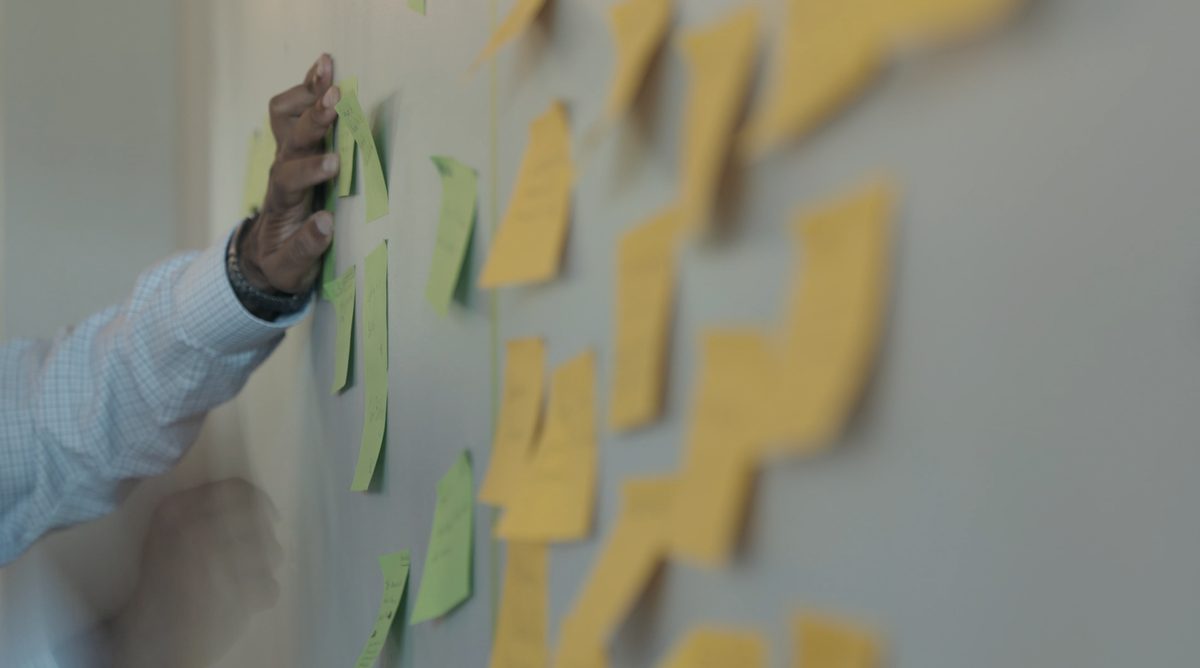
5 Dysfunctions of a Team
This session takes a good team and helps make it excellent. We draw on Patrick Lencioni's well-known framework, approached through an appreciative inquiry lens that starts with what's already working.
It lands well with statewide leadership groups whose members see each other a handful of times a year, since trust is the behavior distance erodes first and every other behavior sits on top of it. The five behaviors, trust, conflict, commitment, accountability and results, are all on the table.
Your people walk away with shared language for how they work together, and a plan for moving forward that they built themselves.
Learn more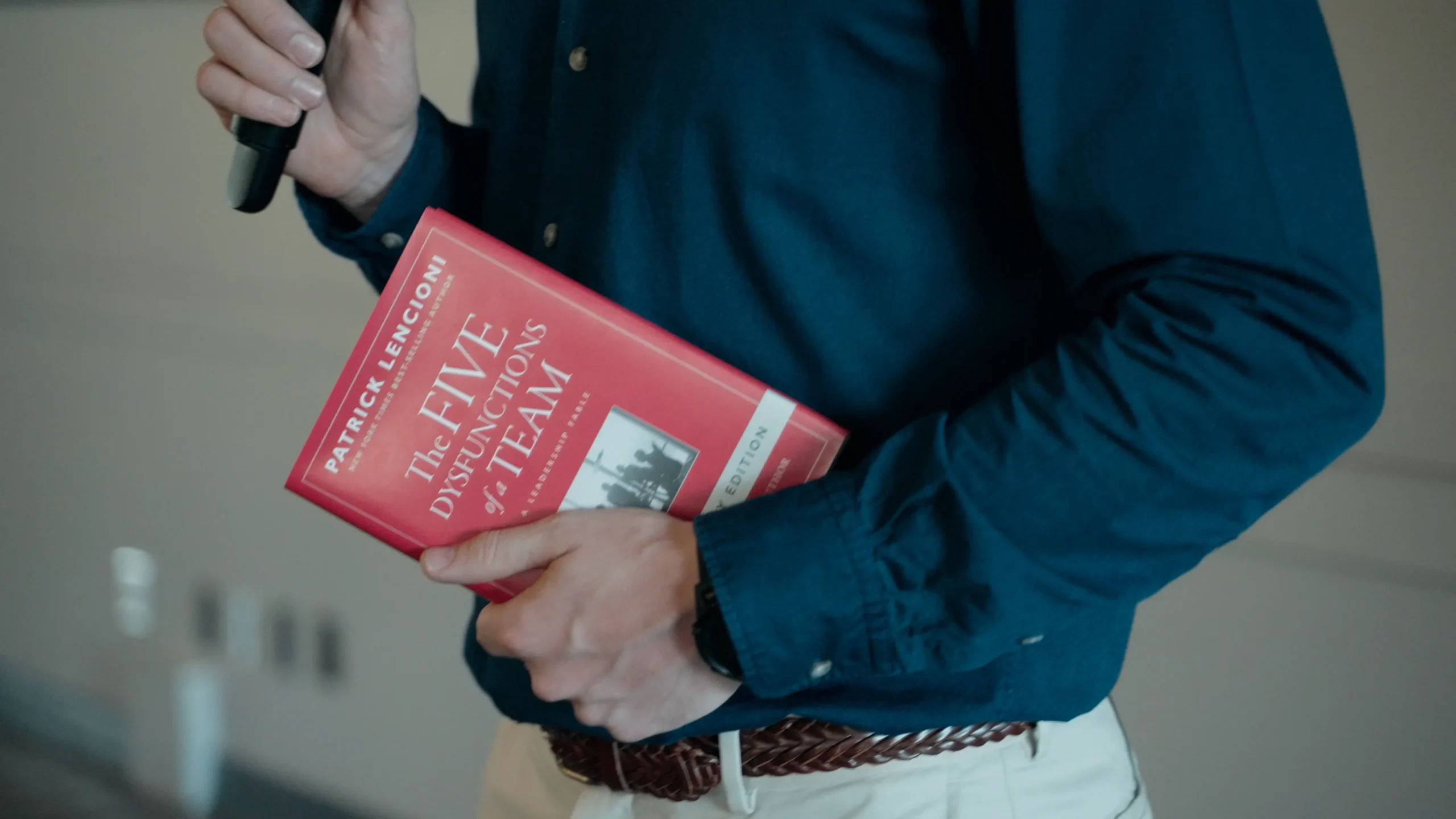
Our Core Team
Great content is only made better by great facilitators

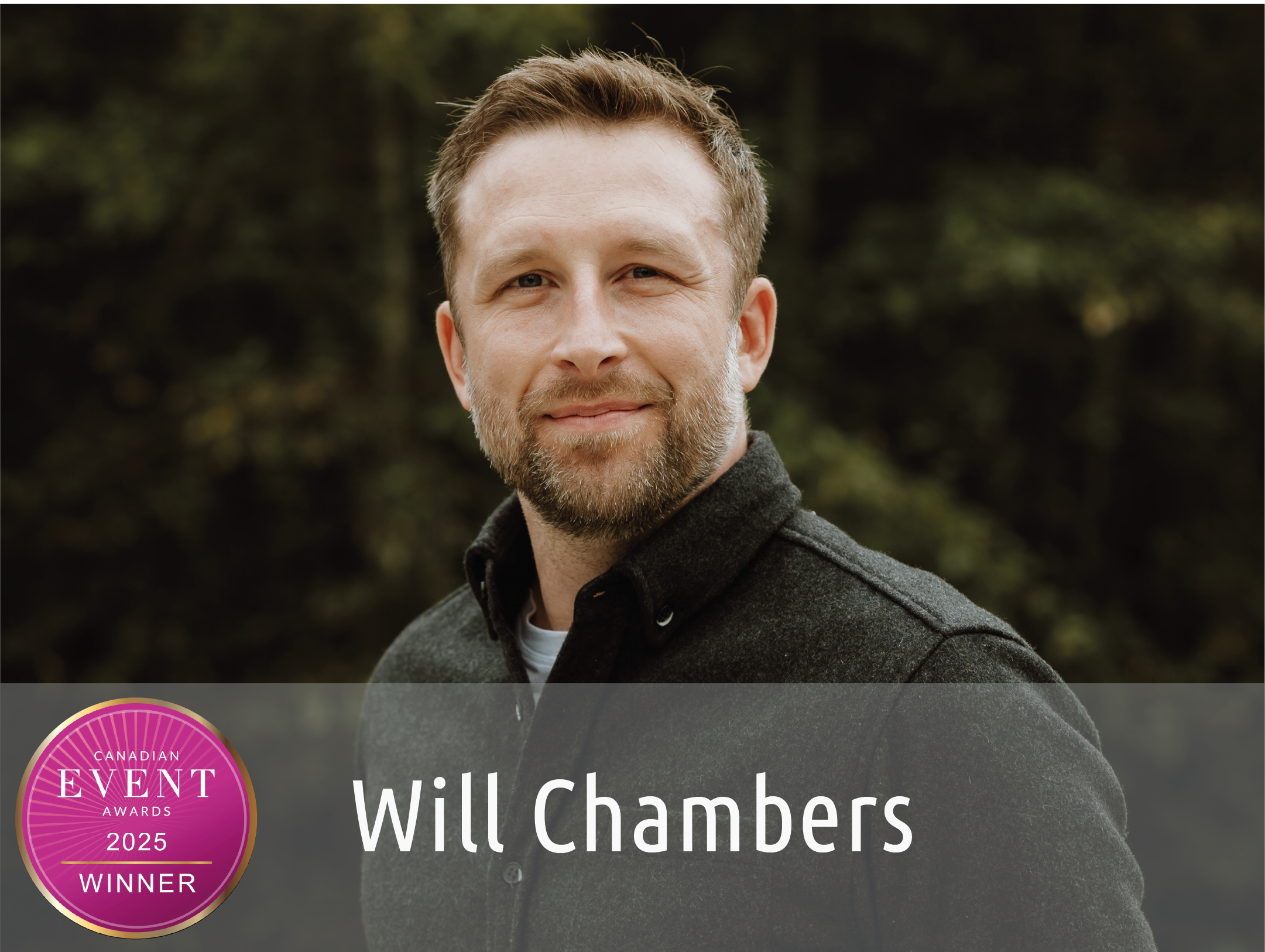
Will Chambers
Founder & Facilitator
Award-winning facilitator and Founder of Positive Impact, with sessions delivered to tens of thousands of people. Will focuses on strategy, leadership, team dynamics and communication, turning concepts into clear, committed action.
More about Will
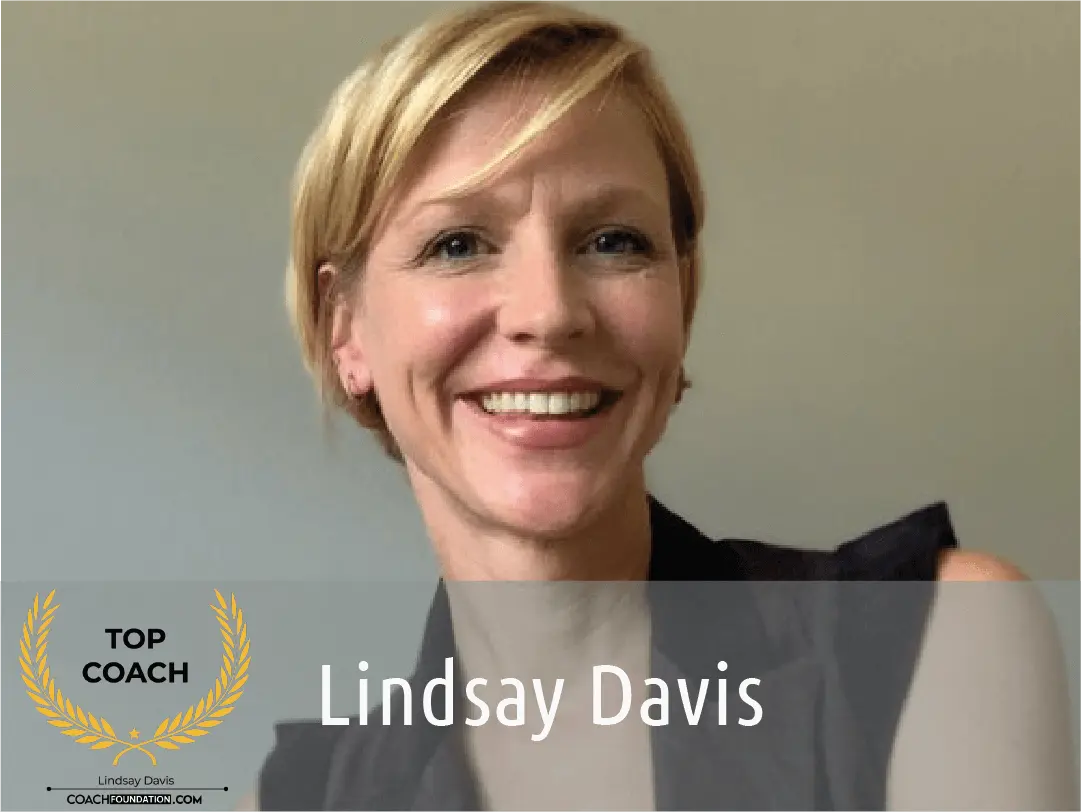
Lindsay Davis
Coach & Strategist
Award-winning coach and entrepreneurial guide, with experience spanning rural entrepreneurs in Africa to multimillion-dollar companies. Helps leaders focus on what matters most and build the resilience to anticipate challenges and move through them.
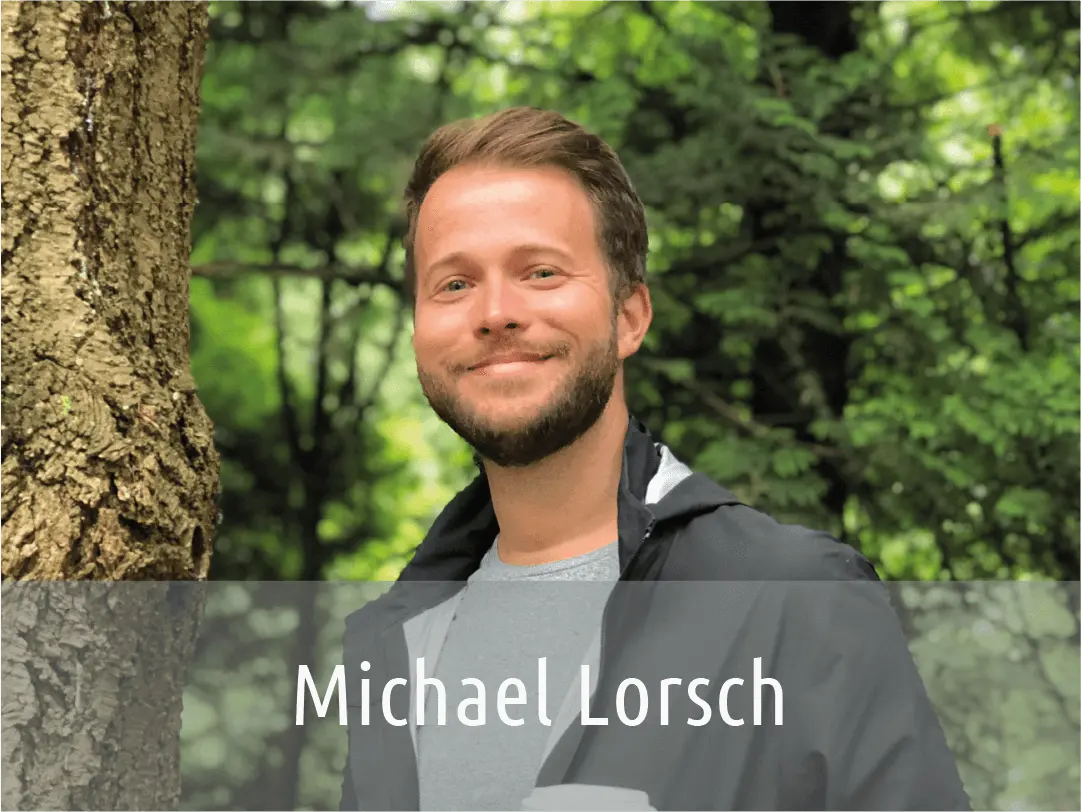
More about LindsayMichael Lorsch
Facilitator & Learning Consultant
Brings facilitation and learning design from theatre stages to executive boardrooms, including in-house work with lululemon. Blends mindfulness, relationship systems and human-centerd design to keep people at the center of every session.
More about Michael
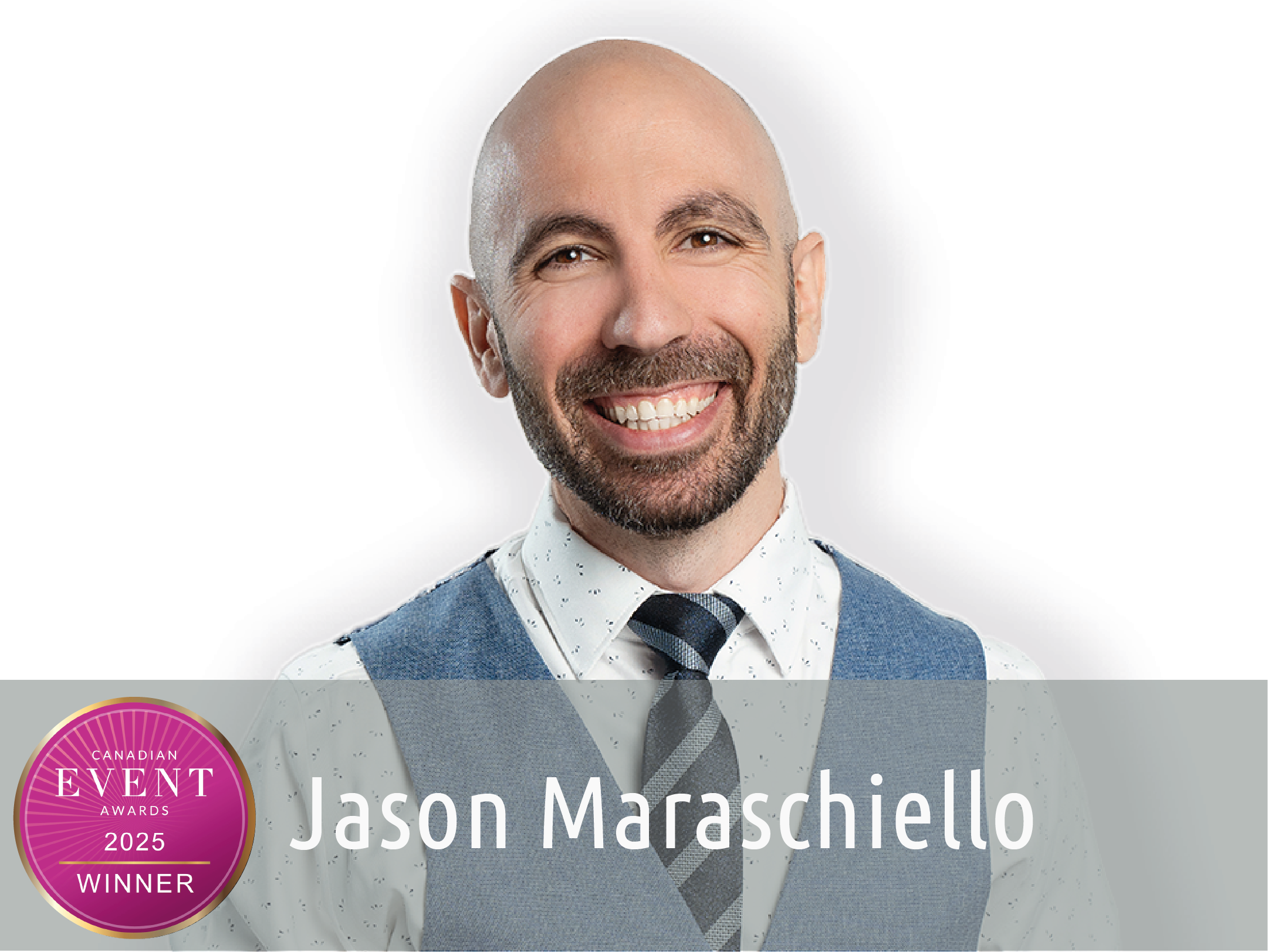
Jason Maraschiello
Coach & Facilitator
Certified life and corporate coach, mindfulness and meditation teacher. Uses mindfulness and effective communication to help people set manageable goals, find work-life balance and build the support to follow through.
More about Jason
For work in Oregon we assign one lead facilitator who travels for the session and stays with you through the follow-up, rather than handing you to a different person each time. Beyond the core team, we draw on a wider network of facilitators and subject-matter experts, matched to the goals, sector, and people of each engagement.




Before you book
Worth reading first
Six pieces that answer the questions most teams have before a first session.
- Market page Facilitation in Portland Read the guide
- Nearby market Facilitation in Seattle Read the guide
- Hybrid sessions Making mixed in-person and remote sessions work Read the guide
- Strategic planning Why organize a strategic planning session Read the guide
- Getting ready How to prepare your team for a facilitated session Read the guide
- Honest advice When not to hire a facilitator, and what to do instead Read the guide
Frequently Asked Questions
Facilitation across Oregon
Should I be on this page or the Portland one?
If your team sits in the Portland metro, go to the Portland page, which covers that market in more detail. This page is for organizations whose footprint is the state: agencies and commissions, associations with members in every county, health and education systems, and companies with operations on both sides of the Cascades.
Our statewide meetings always end up in the valley. Does that matter?
More than people expect. About half the state's population is in one metro area, so any proportionally assembled room leaves the other regions as a small minority, and they know it walking in. Holding every session in the valley confirms an expectation those members already have. We usually suggest running at least some of them elsewhere, because a group that travelled four hours to be somewhere is not the same as a group asked to dial in.
How do you make sure the smaller regions actually get heard?
By design rather than by encouragement. Small groups are composed by region rather than at random, so a regional view has to be argued rather than absorbed into a majority. Written input comes before open discussion, which stops volume standing in for support. And we ask explicitly what would have to be true for the plan to work in each region, then treat those answers as requirements rather than as feedback to be noted.
Where's the fairest place to hold a statewide session?
Eugene, more often than people expect. It's roughly central, which matters more than convenience when the venue itself is carrying a message. Salem makes sense when the work is tied to state government, Portland when it's genuinely anchored there, and Bend is worth considering for a multi-day. The point is to choose deliberately rather than defaulting to wherever the most people already are.
Are your facilitators based in Oregon?
No. Our facilitators travel to Oregon for in-person work, and we'd rather say that plainly than imply a local office we don't have. Arriving from outside also means we have no history in any of your state's regional dynamics and no stake in which region prevails, which on this particular design problem is genuinely useful.
You're a Canadian firm. Does that complicate the contracting?
Less than people expect. We invoice in the currency you prefer, and for a US client the exchange rate has generally worked in your favor. Your finance team will likely ask us for a W-8BEN-E, which is routine and which we complete. We won't give you tax or legal advice about any of it, because that's your finance team's call rather than ours. We are also a 1% for the Planet member and pursuing B Corp certification rather than holding it.
What kinds of organizations do you work with here?
Leadership teams, boards, and departments across public, private, and non-profit organizations. Across Oregon that tends to mean state agencies and commissions, health systems, higher education, agriculture and food processing, forestry and wood products, technology and semiconductors, county and tribal governments, and associations with a statewide membership. Group size ranges from an executive team of eight to a leadership summit of sixty.
How far ahead should we book?
Longer than for a single-city session, because you're coordinating other people's travel as well as ours. Eight to twelve weeks is comfortable for a statewide in-person gathering. That covers a discovery call, a session design built around your goals rather than a template, and pre-work such as interviews across regions, which on this kind of engagement does a lot of the work.
Let's talk about your team
Tell us what you're working through and which parts of the state need to be in it, and we'll tell you honestly whether facilitation is the right tool and what a statewide session would look like.
Get in Touch
