

Board Retreat Facilitation
“Sessions that are far greater than the sum of their parts”
We facilitate board retreats that help executive teams align around key decisions, clarify long-term direction, and work more effectively together. Each retreat is structured to offer a confidential setting where participants can tackle pressing issues, define shared priorities, and build stronger dynamics.
Having supported over 110,000 individuals in varied contexts, we pair leadership experience with interactive facilitation to ensure every retreat reflects your organization’s goals. Our role is to guide focused sessions that produce outcomes your board can act on with confidence.
Let’s plan a retreat that moves your board forward with purpose.
Discover how Positive Impact curates sessions that
allow you and your business to thrive.





What We Facilitate
Great content is only made better by great facilitators
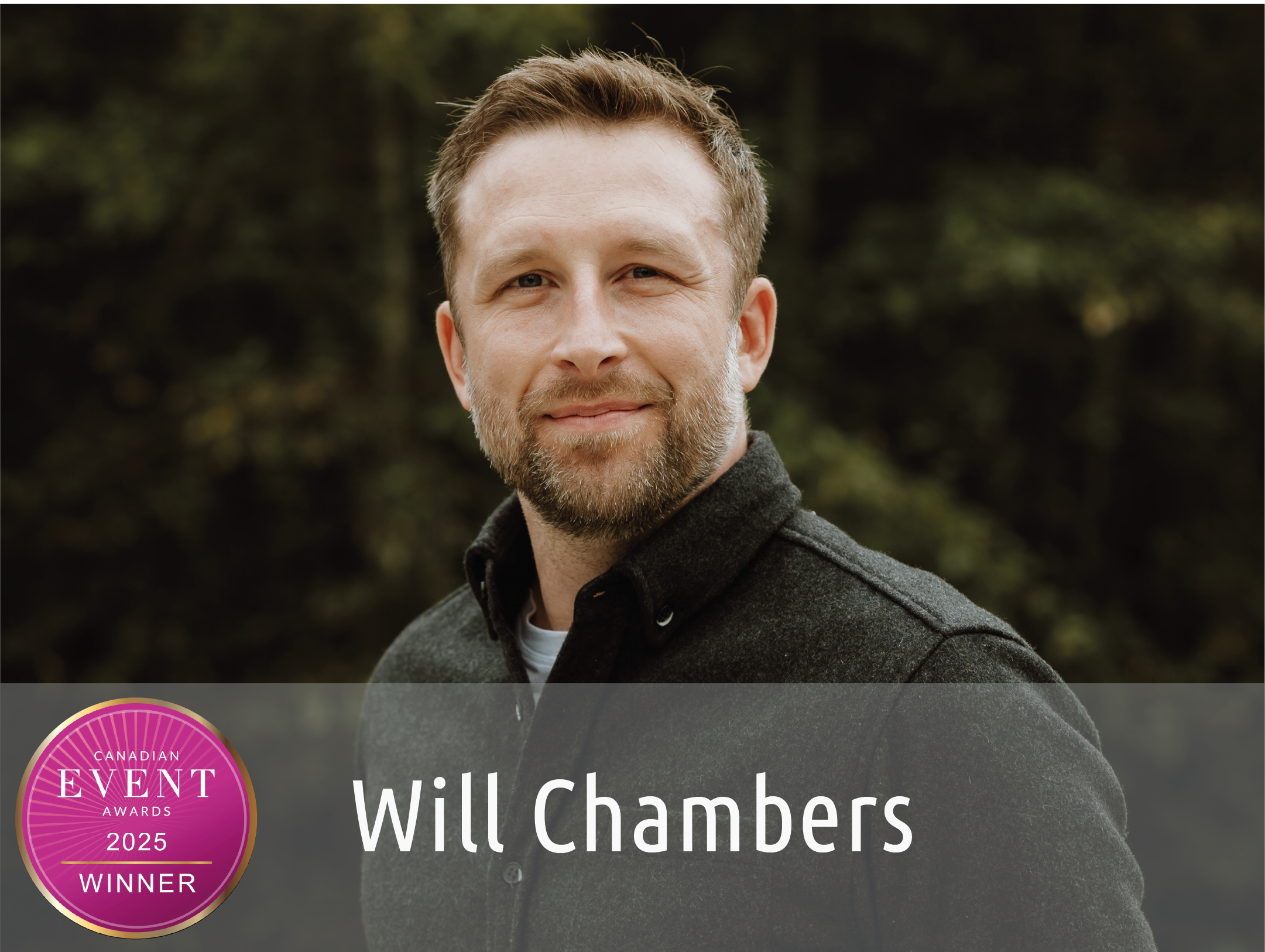
As an Award-Winning Facilitator and the Owner and Founder of Positive Impact, Will empowers people around the world to lead their best life by blending the art of coaching, integrating mindfulness principles with skills learned from over a decade’s experience with one of the top-three best-known brands globally. The result is a meaningful vision and a gratifying journey. Read more about Will’s journey from Coca-Cola to Positive Impact below.
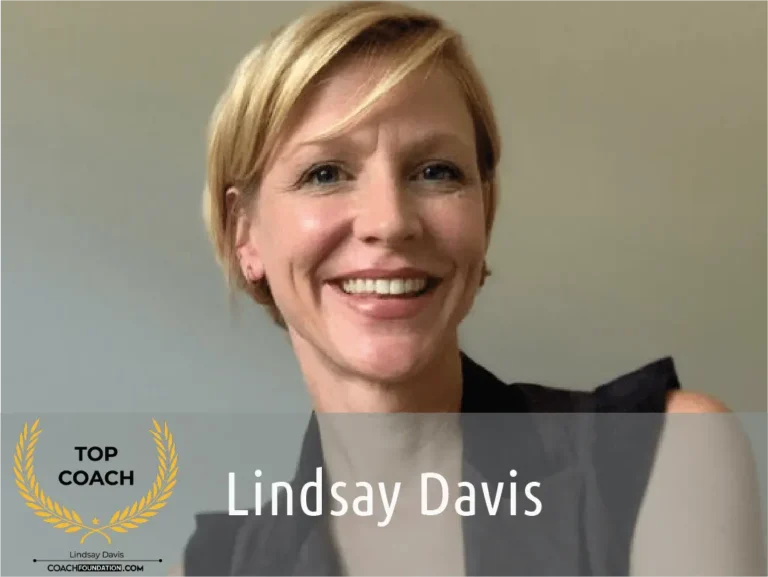
Lindsay was recently awarded the Top Entrepreneur Coach by the Coach Foundation. She is a passionate entrepreneur, guide, and coach. She brings her experience as a director and divisional head, along with an international coaching certification to help entrepreneurs and business leaders achieve the strategic growth, scale and success they strive for. The focus is on building a highly strategic plan, finance model and leadership team to support this growth.
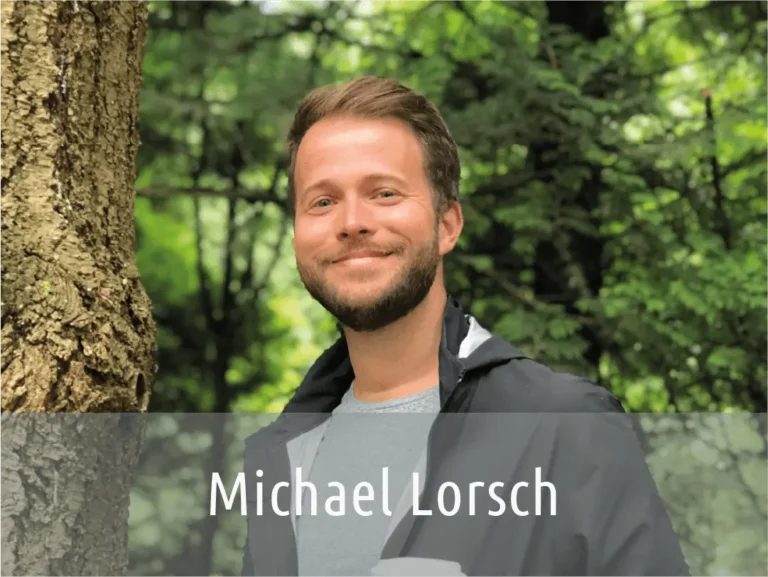
Bringing over a decade of leadership and development experience ranging from improv stages to executive offices, Michael has worked with over 50,000 people across North America in supporting their own personal and professional development.
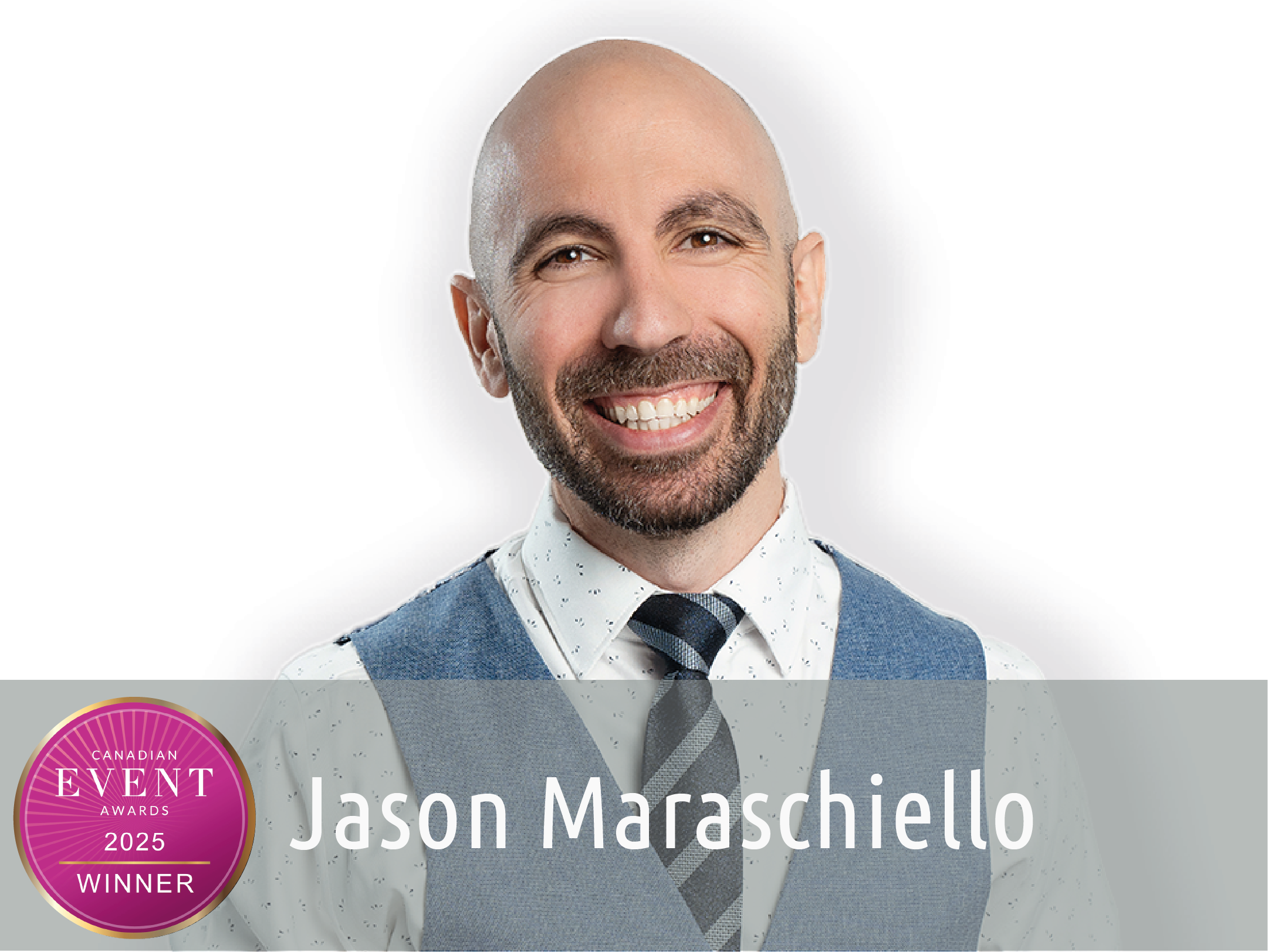
Jason is a TEDx speaker, author, certified Life and Corporate Coach, counsellor, and hypnotherapist. With training in Suicide Intervention (ASIST), NLP, MBSR, MBCT, psychology, and peer support, Jason tailors his approach to meet each client’s unique needs. Driven by a passion for building more cohesive teams, he focuses on emotional intelligence, effective communication, and self-restoration—the triad of success.

What our clients say
It was a pleasure to work with Will and Positive Impact. I was both inspired and empowered to co-deliver a meaningful offsite. Their positive incite into leadership performance and emotional resilience gave me clear direction and tactical tools I could apply to my workplace right away. I thoroughly look forward to working with Will again.
– Haley Daniels
Olympian and Motivational Speaker
Thanks for your incredible support, kindness, professionalism, and realness.
It was my sincere pleasure and privilege to work with you on our event.
You are a unique and special human, and I’m grateful that our paths crossed on this project, and look forward to the next time.
– Shauna Grinke, MBA, CPHR
Vice President – People and CultureThe workshop was an incredibly valuable experience for our team — the facilitator created an open, engaging environment that encouraged honest discussion and collaboration. The content was thoughtfully tailored to our team’s specific goals, making the session both relevant and actionable. We’re excited to continue partnering with Positive Impact to build on the great momentum sparked in this session.
– Shannon Charbonneau
Account Director
Treetop Marketing and Promotion Inc.
I’m leaving our session with a sense of optimism that I haven’t had in a while. It was time extremely well spent! I am sure that we all feel much closer and more connected.
– Participant
MDA Geointelligence Engineering Leadership SummitThe environment that was created made me feel comfortable to participate and collaborate with my colleagues. It was very well organized. I liked the outcome of the brainstorm sessions and warmup activities.
– ParticipantThe level of engagement and pace of the training was excellent. Like the fact that this workshop was trainer-guided, but participants lead!
– ParticipantFantastic facilitating most importantly Will understood when to let us talk and when to corral us back on track. Excellent value this afternoon.
– Engagement Workshop Participant



100% Satisfaction Guarantee.
We stand behind the quality of our work with complete confidence. If you’re not fully satisfied with the results, we’ll make it right.
Your trust matters more to us, and our guarantee acknowledges our belief that you deserve to feel confident in every investment you make with us. That’s a standard we hold ourselves to, every time.
Featured Workshop

COMS Communication Styles
COMS Communication Styles draws inspiration from Paul Costa and Robert McCrae’s research on the Big Five Personality Model, introducing how different personality styles prefer to communicate along the spectrums of result-driven vs. interpersonal and reflective vs. assertive.
COMS is an interactive communication styles exploration. Through answering 8 strategically designed questions, you and your team will gain valuable insights into how individuals tend to communicate and interact. By visualising this into a simple but effective grid and delivering an interactive workshop, it can be instrumental in improving team dynamics, reducing conflict, and fostering more effective communication across the organization. Each of the four identified style has its strengths in different contexts. Your team will leave the session knowing with a deeper understanding and appreciation for diverse communication styles as well as how to leverage each approach and adapt their style to maximize impact and drive positive outcomes.
Strategic Planning
This isn’t just another corporate exercise – it’s a chance for you to engage your team in the planning and execution of the organization and an opportunity to align on strategic planning initiatives and actions.
As strategic planning facilitators, we guide organizations through the strategic planning process. We don’t dictate solutions to you, we enable your groups to co-create strategies based knowledge, experience and diversity. We create an environment conducive to open dialogue, innovation, critical thinking, and collaborative decision-making. This role is distinct in that it focuses on empowering your organization rather than imposing external ideas. Our award-winning facilitators are catalysts for transformative decision-making and planning. We do, however, offer guidance and insight into how other organizations operate and offer suggestions you may wish to implement. To us, strategic planning is more than just a single planning session. We work with our clients to help them navigate the strategic plan throughout the months and even years ahead. With our objective lens, we are well-positioned to offer insights into the strategic plan and execution tactics.






FAQs for Board Retreat Facilitation
What is a board retreat facilitation?
Board retreat facilitation is a guided session that helps board members align on priorities, improve governance, and build stronger working relationships. It often includes strategic reflection, discussion of roles, and exploration of long-term direction. A facilitator ensures every voice is heard and the time is used effectively. The process supports clarity, trust, and actionable next steps.
Why should our board consider an external facilitator?
An external facilitator offers objectivity and structure, allowing board members to fully participate in the conversation. They help navigate complex topics without bias and ensure difficult issues can be addressed respectfully. Facilitators also keep the session focused and productive. Their presence encourages honest dialogue without disrupting internal relationships.
How long should a board retreat be?
Most board retreats range from a half-day to two full days, depending on the depth of the agenda. Shorter sessions may focus on one priority, while longer formats allow for deeper exploration and team building. The facilitator will help you determine the right structure. Time should be matched to goals, not just availability.
Can a board retreat include both strategic planning and team development?
Yes, retreats often blend planning and relational work. A well-facilitated session creates space for long-term thinking while also strengthening the board’s internal cohesion. The two areas reinforce each other when approached with care. Your facilitator can help balance content and process to meet both needs.
What topics are commonly addressed during board retreats?
Common areas include strategic goals, mission alignment, board roles and responsibilities, succession planning, and communication. Some boards use retreats to reset after conflict or major transitions. Others use them to kick off a new year with shared focus. The agenda is always tailored to your organization’s context.
How do we prepare for a board retreat?
Preparation involves clarifying goals, engaging members in pre-retreat input, and identifying any documents or background materials to review. The facilitator may meet with board leaders beforehand to refine priorities. Participants should arrive with openness and a willingness to engage. A clear purpose helps maximize the time together.
Can virtual board retreats be effective?
Yes, when designed well, online board retreats can still be interactive and impactful. We use digital tools to encourage participation, shared reflection, and breakout discussions. While they lack the informal time of in-person retreats, they can still accomplish key objectives. Strong facilitation is especially important in remote formats.
What makes a board retreat successful?
Success depends on clear objectives, active participation, and a safe space for conversation. A good retreat surfaces what matters most, identifies specific actions, and strengthens board cohesion. When facilitated well, it can have a lasting impact on both culture and direction. The most successful retreats lead to follow-through and accountability.

