

What Are The 5 Dysfunctions of a Team?
Every team wants to succeed, but not every team has the foundation to thrive.
The Five Dysfunctions of a Team is a proven, research-backed model that reveals the hidden barriers preventing teams from reaching their full potential.
Based on Patrick Lencioni’s groundbreaking work, this framework identifies five interconnected challenges that undermine team performance. When addressed in sequence, teams build the trust, engagement, and accountability needed to deliver extraordinary results.
The five dysfunctions form a pyramid, each one building on the last:
Each dysfunction is solvable. This workshop helps your team identify where they are stuck and create actionable steps to move forward.

Benefits of Overcoming The Five Dysfunctions
- Build trust by creating psychological safety and encouraging vulnerability
- Enable healthy conflict that surfaces the best ideas without damaging relationships
- Drive commitment through clarity, buy-in, and alignment on decisions
- Establish accountability by creating a culture of peer-to-peer responsibility
- Focus on results by prioritizing collective success over individual agendas
- Accelerate performance by removing the invisible barriers holding your team back





Great content is only made better by great facilitators
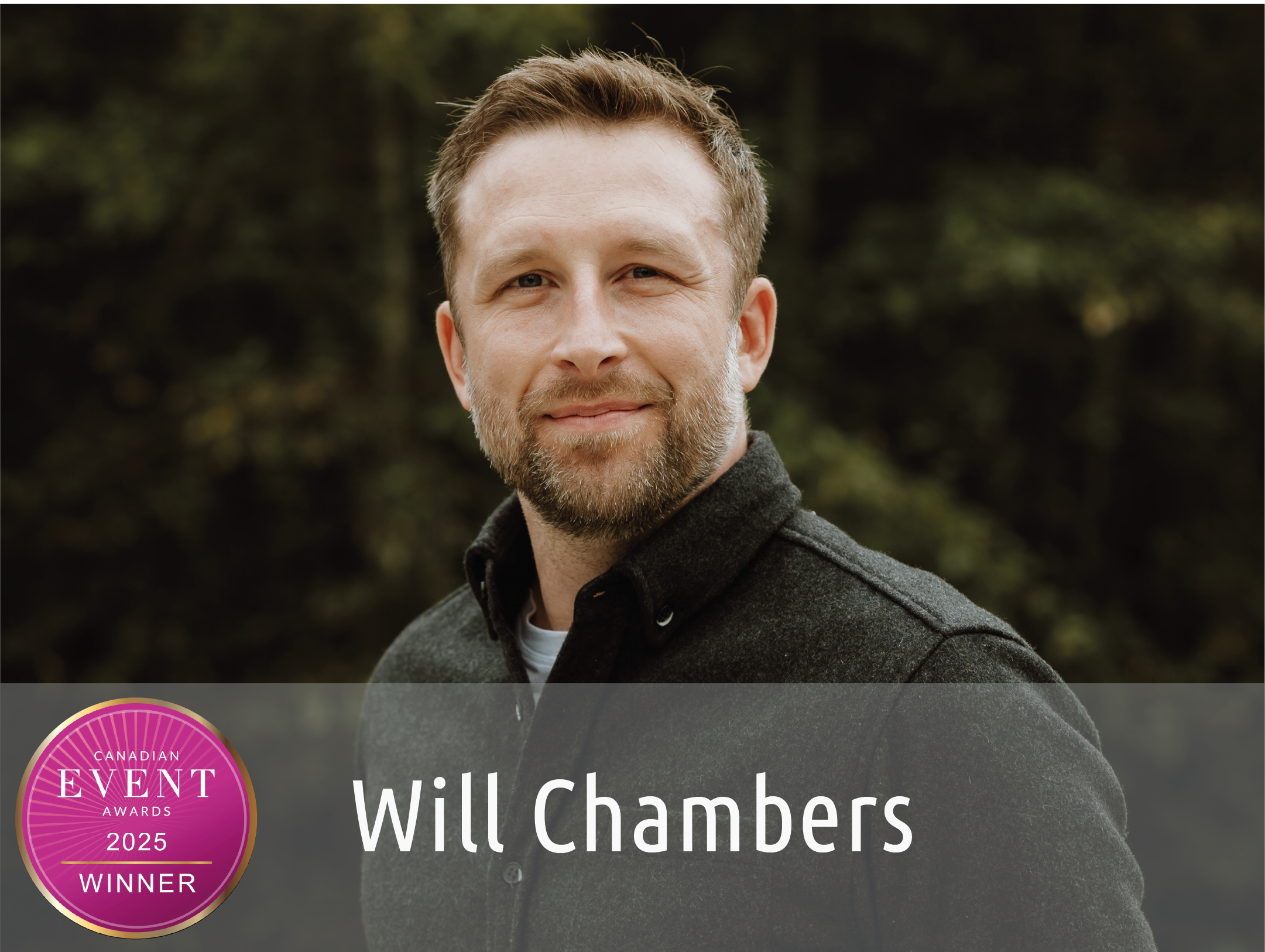
As an Award-Winning Facilitator and the Owner and Founder of Positive Impact, Will empowers people around the world to lead their best life by blending the art of coaching, integrating mindfulness principles with skills learned from over a decade’s experience with one of the top-three best-known brands globally. The result is a meaningful vision and a gratifying journey. Read more about Will’s journey from Coca-Cola to Positive Impact below.
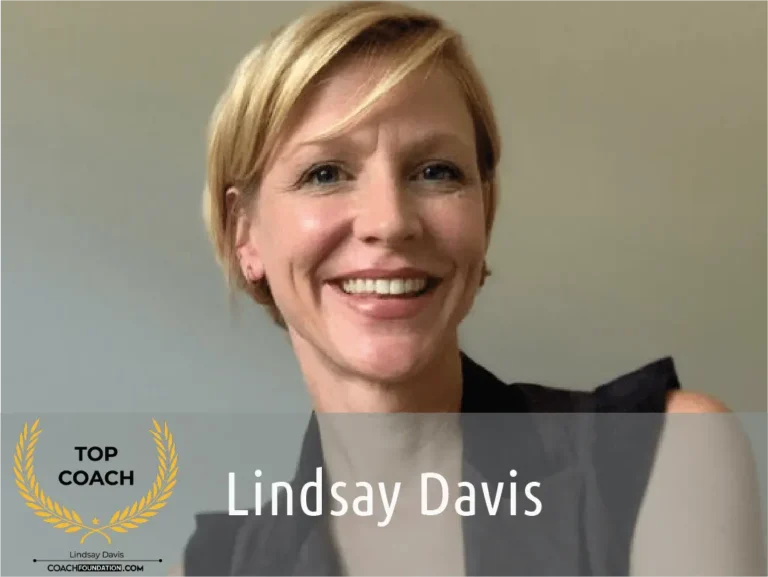
Lindsay was recently awarded the Top Entrepreneur Coach by the Coach Foundation. She is a passionate entrepreneur, guide, and coach. She brings her experience as a director and divisional head, along with an international coaching certification to help entrepreneurs and business leaders achieve the strategic growth, scale and success they strive for. The focus is on building a highly strategic plan, finance model and leadership team to support this growth.
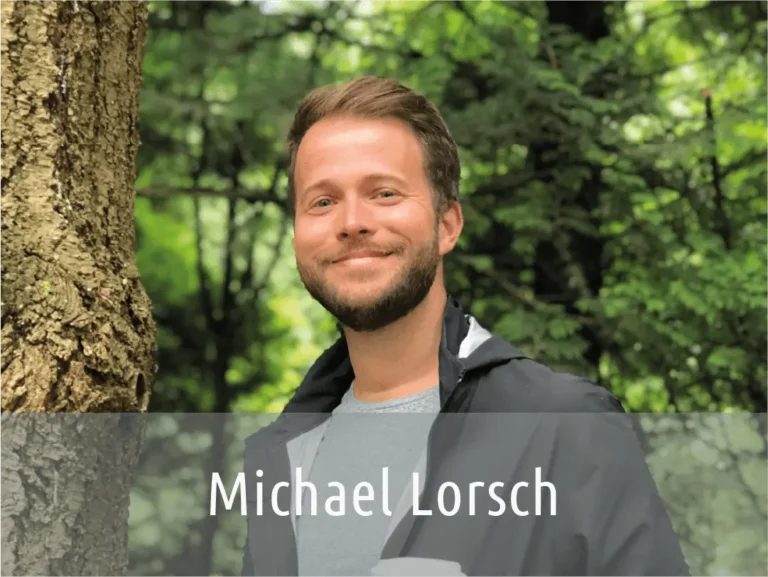
Bringing over a decade of leadership and development experience ranging from improv stages to executive offices, Michael has worked with over 50,000 people across North America in supporting their own personal and professional development.
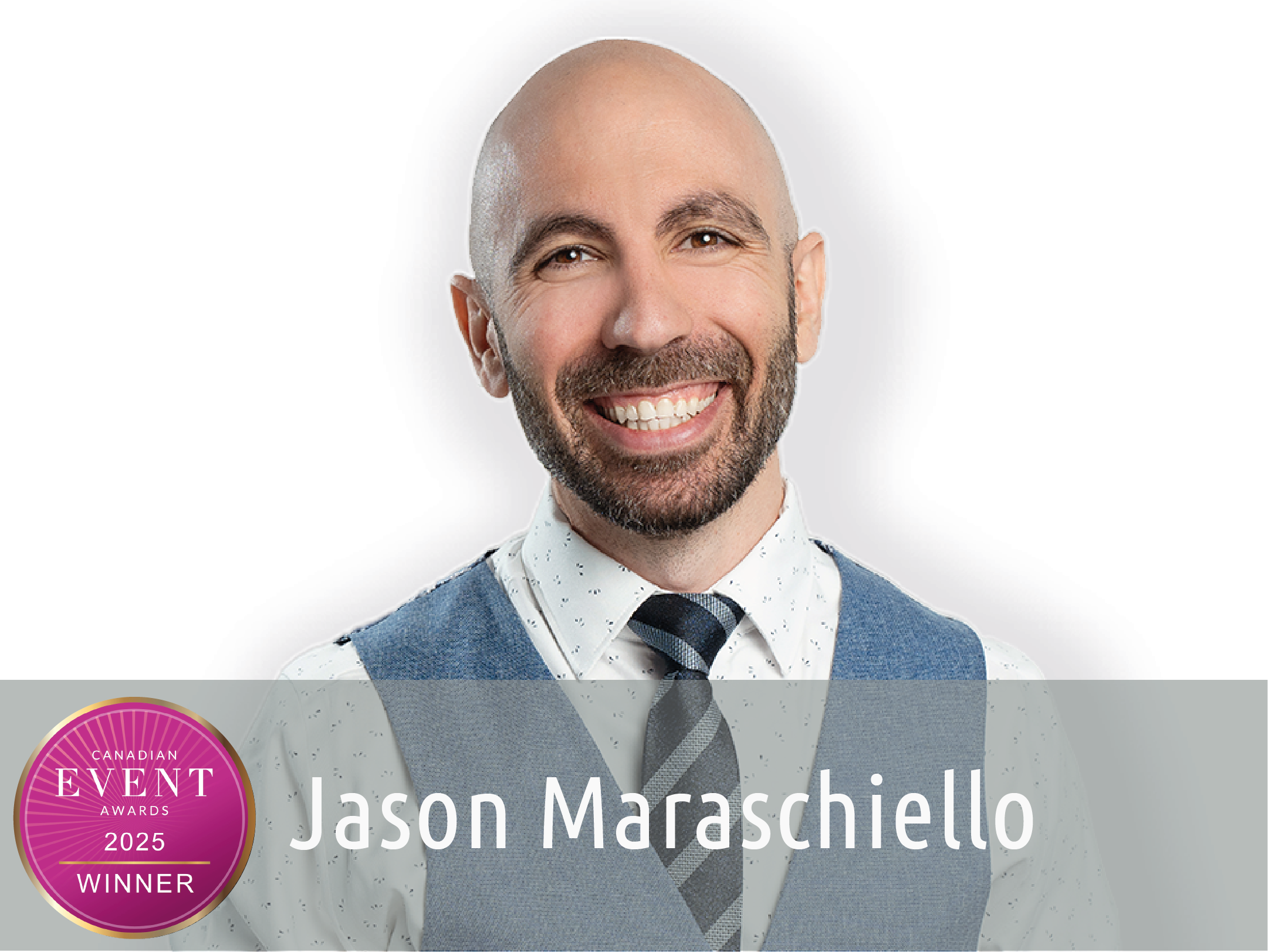
Jason is a TEDx speaker, author, certified Life and Corporate Coach, counsellor, and hypnotherapist. With training in Suicide Intervention (ASIST), NLP, MBSR, MBCT, psychology, and peer support, Jason tailors his approach to meet each client’s unique needs. Driven by a passion for building more cohesive teams, he focuses on emotional intelligence, effective communication, and self-restoration—the triad of success.

How The Workshop Works in Practice
The workshop is interactive, practical, and transformational. Teams begin with an assessment that reveals where dysfunctions show up in their day-to-day work. Through guided discussion and exercises, participants explore how each dysfunction manifests, identify specific behaviors to change, and create concrete action plans.
Our facilitators create a safe environment for honest conversation, helping teams address difficult topics with clarity and respect. You’ll leave with tools you can implement immediately and a roadmap for continued growth.


What our clients say
It was a pleasure to work with Will and Positive Impact. I was both inspired and empowered to co-deliver a meaningful offsite. Their positive incite into leadership performance and emotional resilience gave me clear direction and tactical tools I could apply to my workplace right away. I thoroughly look forward to working with Will again.
– Haley Daniels
Olympian and Motivational Speaker
Thanks for your incredible support, kindness, professionalism, and realness.
It was my sincere pleasure and privilege to work with you on our event.
You are a unique and special human, and I’m grateful that our paths crossed on this project, and look forward to the next time.
– Shauna Grinke, MBA, CPHR
Vice President – People and CultureThe workshop was an incredibly valuable experience for our team — the facilitator created an open, engaging environment that encouraged honest discussion and collaboration. The content was thoughtfully tailored to our team’s specific goals, making the session both relevant and actionable. We’re excited to continue partnering with Positive Impact to build on the great momentum sparked in this session.
– Shannon Charbonneau
Account Director
Treetop Marketing and Promotion Inc.
I’m leaving our session with a sense of optimism that I haven’t had in a while. It was time extremely well spent! I am sure that we all feel much closer and more connected.
– Participant
MDA Geointelligence Engineering Leadership SummitThe environment that was created made me feel comfortable to participate and collaborate with my colleagues. It was very well organized. I liked the outcome of the brainstorm sessions and warmup activities.
– ParticipantThe level of engagement and pace of the training was excellent. Like the fact that this workshop was trainer-guided, but participants lead!
– ParticipantFantastic facilitating most importantly Will understood when to let us talk and when to corral us back on track. Excellent value this afternoon.
– Engagement Workshop Participant



100% Satisfaction Guarantee.
We stand behind the quality of our work with complete confidence. If you’re not fully satisfied with the results, we’ll make it right.
Your trust matters more to us, and our guarantee acknowledges our belief that you deserve to feel confident in every investment you make with us. That’s a standard we hold ourselves to, every time.





Five Dysfunctions of a Team FAQs
What is The Five Dysfunctions of a Team model?
The Five Dysfunctions is a framework that identifies five interconnected challenges that prevent teams from achieving their potential. Developed by Patrick Lencioni, the model shows how absence of trust, fear of conflict, lack of commitment, avoidance of accountability, and inattention to results create a cascade of problems. Our workshop guides teams through understanding and addressing each dysfunction in sequence.
How is this different from other team-building workshops?
Most team-building focuses on surface-level activities or one-time events. The Five Dysfunctions goes deeper, addressing the fundamental behaviors that either enable or prevent team success. This workshop provides a structured framework backed by research, interactive exercises that create real change, and tools your team can continue using long after the session ends. It’s designed to create lasting transformation, not just temporary engagement.
What are the five dysfunctions in detail?
The model identifies five sequential challenges:
- Absence of Trust: Team members aren’t willing to be vulnerable with one another
- Fear of Conflict: Teams avoid productive debate and settle for artificial harmony
- Lack of Commitment: Without healthy conflict, teams struggle to commit to decisions
- Avoidance of Accountability: Team members hesitate to hold peers accountable to high standards
- Inattention to Results: Individual goals and status take priority over collective success
How does the workshop run?
The session begins with a team assessment that highlights where dysfunctions are present. We then guide the group through each dysfunction, using real examples from your team’s experience. Participants engage in structured exercises designed to build trust, practice healthy conflict, and establish accountability. The workshop is highly interactive and tailored to your team’s specific challenges and goals.
Can this workshop help with team conflict?
Absolutely. In fact, the model shows that many teams don’t have enough of the right kind of conflict. When teams fear conflict, they suppress disagreements that need to surface. This workshop helps teams distinguish between productive, ideological conflict and destructive, personal conflict. You’ll learn how to engage in passionate debate while maintaining respect and trust.
Is this only for leadership teams?
The Five Dysfunctions model works at every level. While it’s particularly powerful for leadership and executive teams who need to model cohesive behavior, it’s equally valuable for project teams, cross-functional groups, and departments. Any team that needs to collaborate, make decisions together, and hold each other accountable will benefit from this framework.
How long does the workshop take?
Workshops typically range from a half-day session (3-4 hours) to a full-day intensive (6-8 hours). The assessment itself takes about 15-20 minutes. We customize the depth and duration based on your team’s needs, schedule, and specific challenges. Some organizations choose to spread the content across multiple sessions for deeper integration.
What outcomes can you expect from this workshop?
Teams leave with a clear understanding of which dysfunctions are holding them back and a concrete action plan to address them. You’ll establish new norms for vulnerability, conflict, and accountability. Most teams report improved trust, more productive meetings, faster decision-making, and stronger alignment around goals. The framework becomes a shared language your team uses to navigate challenges and maintain high performance over time.

